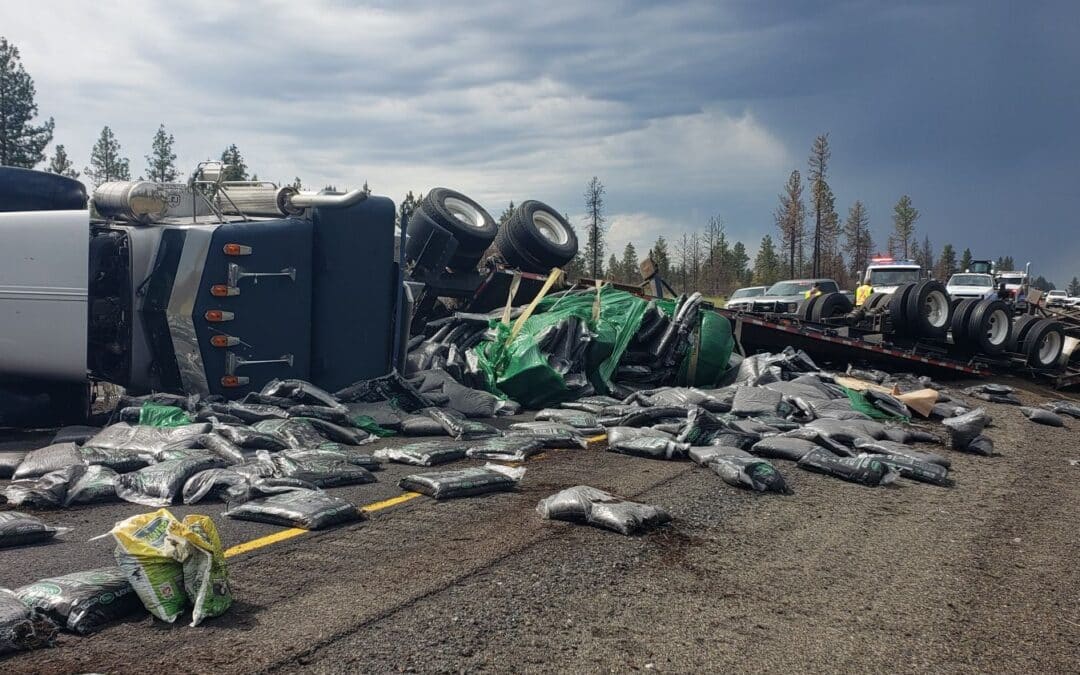
When a commercial truck overturns, a trailer is damaged, or a load shifts during transport, spilled cargo can create serious challenges. However, not all cargo spills present the same risks or require the same cleanup procedures.
The difference between a hazardous and non-hazardous cargo spill affects how responders like Pro-Enviro by FleetEasy approach the scene, what equipment we use, and how we handle recovered materials.
For trucking companies and commercial fleets operating in Washington State, understanding these differences is important for protecting workers, the environment and the surrounding community.
What Is a Hazardous Cargo Spill?
Hazardous cargo includes materials classified as hazardous under U.S. Department of Transportation (DOT) regulations. These substances may be flammable, corrosive, toxic, reactive or otherwise dangerous during transportation. Examples include gasoline, certain industrial chemicals, corrosive cleaning products and some compressed gases.
When hazardous cargo is spilled, responders have to identify the substance and assess the potential risks. Depending on the material, exposure could cause injury, fire, harmful vapours or environmental contamination.
Under federal hazardous materials transportation regulations, shipments of hazardous materials must have accessible emergency response information. This includes the material's hazards, initial precautions and appropriate spill response measures. The Pipeline and Hazardous Materials Safety Administration (PHMSA) explains more.
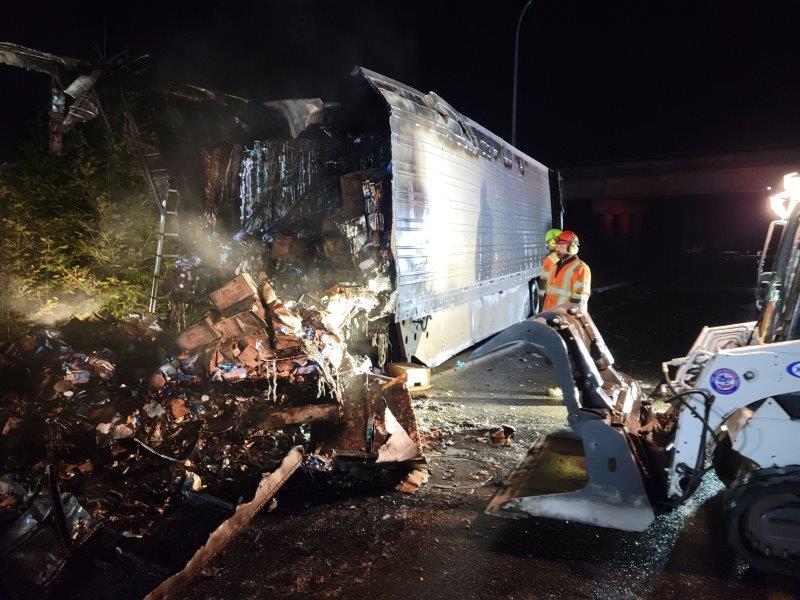
Pro-Enviro deals with fuel and oil spills, coolant, and hydraulic fluid. In addition, we assist with cargo recovery of biohazardous materials and other dangerous materials, such as debris from a truck and trailer fire. These would all be considered hazardous.
What Is a Non-Hazardous Cargo Spill?
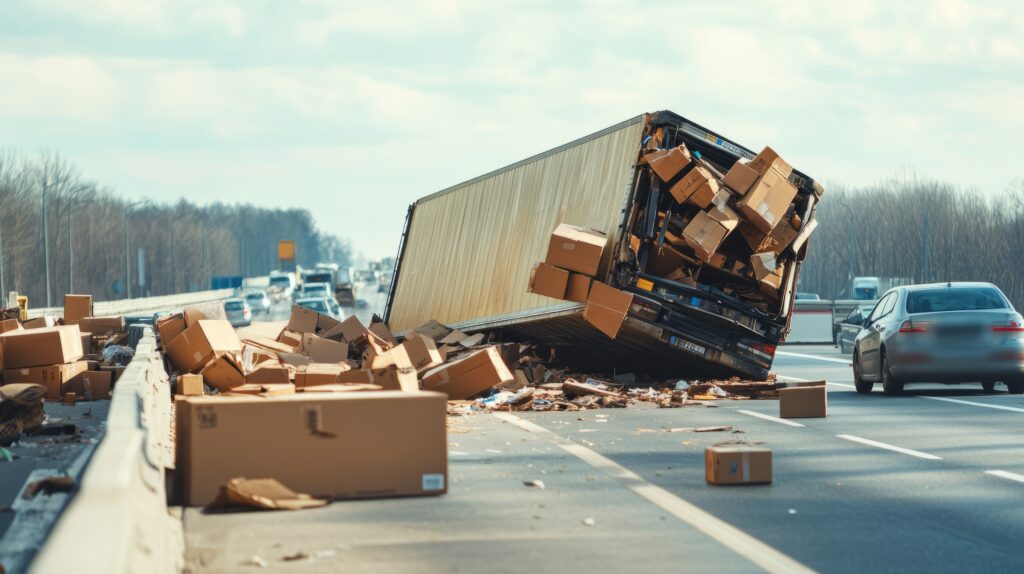
Non-hazardous cargo generally refers to materials that are not classified as hazardous for transportation. Examples may include packaged consumer goods, lumber, produce, grain and other general freight. Basically, if it is not going to cause injury, fire or dangerous contamination to people and the environment, it’s not considered hazardous.
Although these materials may not present the same chemical hazards, a spill can still create significant problems. For example, a trailer carrying watermelons could overturn and scatter its load across a highway. The spilled produce may obstruct traffic, create slippery conditions and require extensive removal. Read about how we recently recovered a lost load of watermelons for the local food bank.
Other materials, such as grain or soil, can enter drainage systems or waterways. Even non-hazardous cargo may cause environmental harm depending on the quantity, location and characteristics of the material.
The important distinction is that non-hazardous does not mean harmless.
How Does Cargo Classification Affect Cleanup?
Hazardous and non-hazardous cargo recovery share the goal of restoring safe conditions, but the methods can differ significantly.
Hazardous Cargo Cleanup
If the spilled cargo is hazardous, we must evaluate the substance before selecting containment and recovery methods. Specialized protective equipment, compatible collection containers and trained hazardous materials personnel may be necessary. Recovered materials must also be evaluated for appropriate waste classification, transportation and disposal.
Non-Hazardous Cargo Cleanup
Cleanup may involve collecting scattered materials, removing damaged packaging, transferring salvageable freight and reloading or securing the remaining cargo. Heavy equipment may be needed when loads are particularly large or difficult to move. Sometimes we must determine if the materials can be recovered, recycled or if they need to be disposed of.
What Are Washington State's Spill Reporting Requirements?
Washington State has specific reporting requirements for releases of oil, hazardous substances and dangerous waste.
The Washington State Department of Ecology requires immediate reporting of oil and hazardous substance spills to water. Other spills may have different reporting obligations depending on the material and circumstances.
Non-hazardous cargo spills are not automatically exempt from environmental regulations. If spilled materials threaten waterways, create pollution or contain regulated substances, you might need professional cargo spill cleanup and disposal. If you’re not sure, contact Pro-Enviro. We can point you in the right direction so you know when to report it and who to call for help.
Professional Cargo Spill Recovery in Washington State
A cargo spill can come in many different shapes and sizes. Sometimes, we are picking up boxes off the side of the road. Other times, we are involved in a full accident recovery with our Pro-Tow Division that might involve hazardous vehicle fluid spills, damaged trucks and trailers and other first responders. No matter what the incident involves, Pro-Enviro and the FleetEasy Company of Family can handle it, 24 hours a day, every day of the year.
Learn more about Pro-Enviro's Cargo Spill Cleanup Services.