Written by the Pro-Enviro Team
Offering spill response services throughout Washington State and the Pacific Northwest
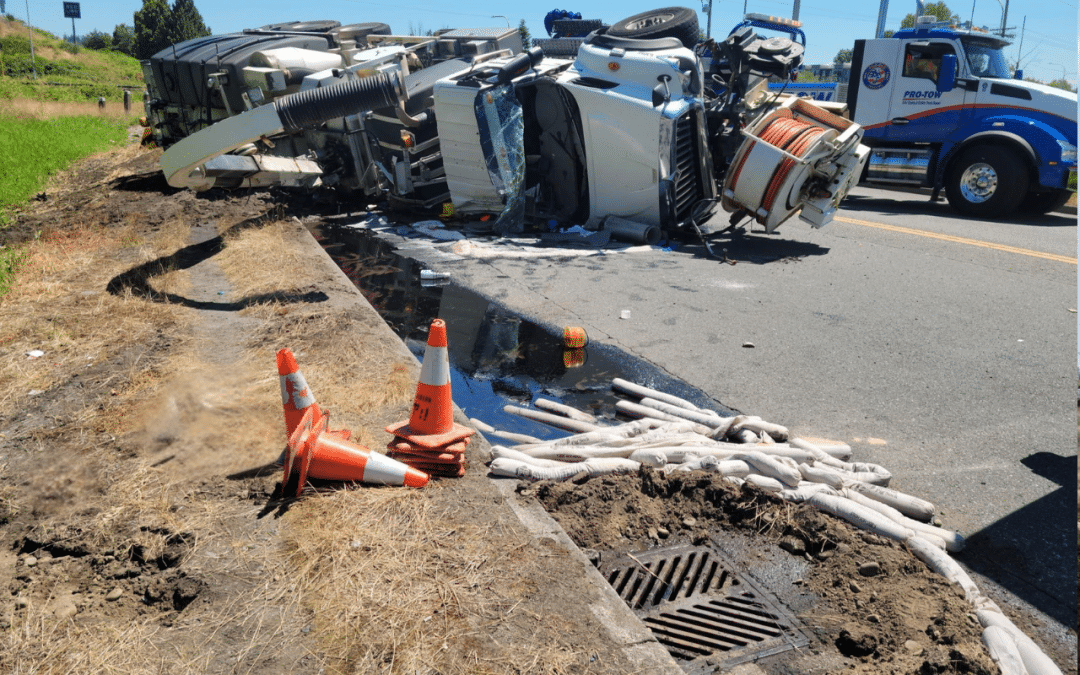
A vehicle accident, damaged fuel tank or leaking hydraulic line can cause an unexpected spill anywhere a commercial fleet operates. Beyond vehicle damage and downtime, spilled fluids can be a safety risk, contaminate soil and enter storm drains that lead to local waterways.
A fleet spill response plan helps drivers, dispatchers and fleet managers understand what to do when a spill occurs. By identifying potential risks, assigning responsibilities and arranging appropriate cleanup resources in advance, businesses can respond more safely and efficiently.
Pro-Enviro by FleetEasy is a professional vehicle spill response operator. We respond to spills caused by motor vehicle accidents, mechanical failures, as well as cargo, debris and hazardous material spills. Our services extend throughout Washington State and the Pacific Northwest.
Here, we share how to build a compliant spill response plan for your commercial fleet in Washington State.
1. Identify Potential Spill Risks
Start by reviewing the vehicles, equipment and materials your fleet uses. Common spill sources include diesel and gasoline tanks, engine oil, transmission fluid, hydraulic systems, coolant and cargo containers.
Consider where incidents could happen, too. A fuel leak in a maintenance yard presents different challenges from a collision on a highway or a spill near a storm drain. Identifying these scenarios helps you determine what equipment, training and professional response services your fleet may need.
2. Assign Responsibilities and Establish Procedures
During an emergency, employees should know who to contact and what actions they are expected to take. For example, they should contact first responders if there are safety issues, and the Washington State Department of Ecology to learn next steps (like dispatching a spill response unit from Pro-Enviro).
Your plan should explain how to secure the scene, stop a leak using a spill kit when safe, prevent spilled material from spreading when possible and contact the appropriate responders.
Employees should never risk their safety to contain a spill. Unknown chemicals, large fuel releases and incidents involving fire or dangerous traffic conditions require appropriate professional assistance.
Washington's Department of Ecology provides guidance on what to do if you spill, including immediate safety and containment considerations.
3. Understand Washington's Spill Reporting Requirements
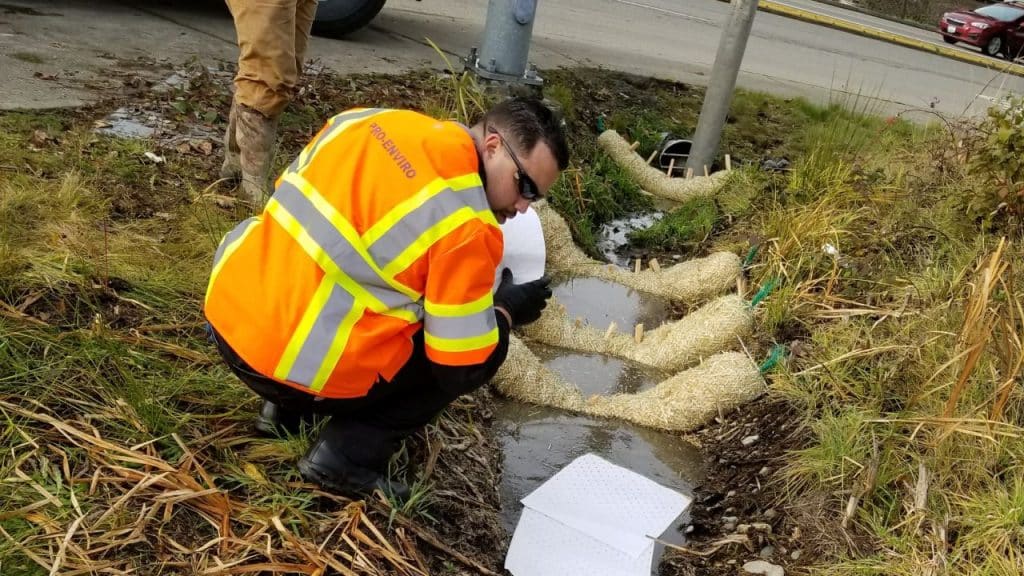
Spill reporting obligations depend on the substance released, the location, the circumstances and various regulations. You shouldn’t assume a spill is exempt from reporting simply because it appears small or has been contained.
Washington Ecology provides spill reporting guidance to help people determine how to report an incident.
Your fleet spill response plan should identify relevant reporting contacts, designate who is responsible for making notifications and explain how to document the incident. Documentation and reporting is something Pro-Enviro covers when handling a spill recovery in Washington State.
For example, Ecology directs people responsible for oil or hazardous-material spills to water to report them immediately. Additional requirements may apply depending on the release and the operation involved. Keep reporting instructions accessible to drivers and managers rather than relying on someone to search for them during an emergency.
4. Keep Emergency Contacts and Spill Equipment Accessible
A response plan is only useful if employees can access it when needed. Maintain an up-to-date contact list that includes emergency services, fleet managers, towing providers, environmental cleanup contractors like Pro-Enviro and relevant insurance contacts.
Depending on the materials and risks involved, appropriate spill supplies may include absorbent pads, containment socks, compatible collection containers, suitable personal protective equipment and storm drain protection equipment.
You can have those supplies in a truck spill kit, but ensure employees are trained on how to use them safely. Remember, a basic spill kit is not a substitute for specialized equipment or trained responders when dealing with a large spill, hazardous substance or spill that threatens waterways.
Washington Ecology's spill preparedness resources offer additional guidance on preparing for incidents.
5. Arrange Professional Cleanup Support in Advance

Some spills require more than containing and absorbing the visible liquid. Depending on the incident, cleanup may involve recovering fuel or oil, removing contaminated soil, protecting storm drains, managing spilled cargo and transporting waste for appropriate processing or disposal.
Partner with Pro-Enviro before an emergency happens. With our experience, service area, equipment and ability to respond to the types of incidents your fleet may encounter, we are the right choice for your fleet spill response plan. We provide spill response and environmental cleanup services in Washington State. Our services include vehicle-related spill cleanup, cargo incidents and storm drain contamination.
Your plan should explain who can authorize a callout, what information the contractor needs and how assistance will be coordinated with emergency responders or towing providers.
6. Train Employees and Review the Plan
A written plan should be supported by employee training. Review notification procedures, explain the limitations of available equipment and practise how your team would respond to realistic scenarios.
For example, discuss what should happen if a truck leaks diesel following a collision or hydraulic fluid spills near a storm drain.
Review the plan after incidents and whenever vehicles, routes, materials or operating conditions change. Some regulated operations have additional contingency planning, training or drill requirements, so confirm which rules apply to your fleet.
Prepare Before a Spill Happens
A fleet spill response plan helps businesses protect employees, reduce environmental harm and manage incidents more effectively. It ensures compliance with local regulations, protects your reputation and helps you avoid hefty penalties and charges if spills aren’t dealt with properly.
For fleets operating in Washington State, understanding applicable spill reporting requirements is also essential. Consult the Washington State Department of Ecology's spill response and preparedness resources when developing or reviewing your procedures.
Have questions? Contact Pro-Enviro! We’re happy to help.
Disclaimer: This article is for general educational purposes and does not replace a site-specific spill response plan or legal advice. Requirements vary depending on the operation and materials involved.