Written by the Pro-Enviro Team
Serving Seattle and Washington State with Spill Recovery Services
After vehicle accidents, mechanical failures are the leading cause of the fuel and oil spills that Pro-Enviro by FleetEasy responds to. These leaks or spills usually come down to something that has cracked, loosened, worn out or overheated. Preventative fleet maintenance is key to reducing the risk of mechanical failures that could cause significant spills, but sometimes it just happens.
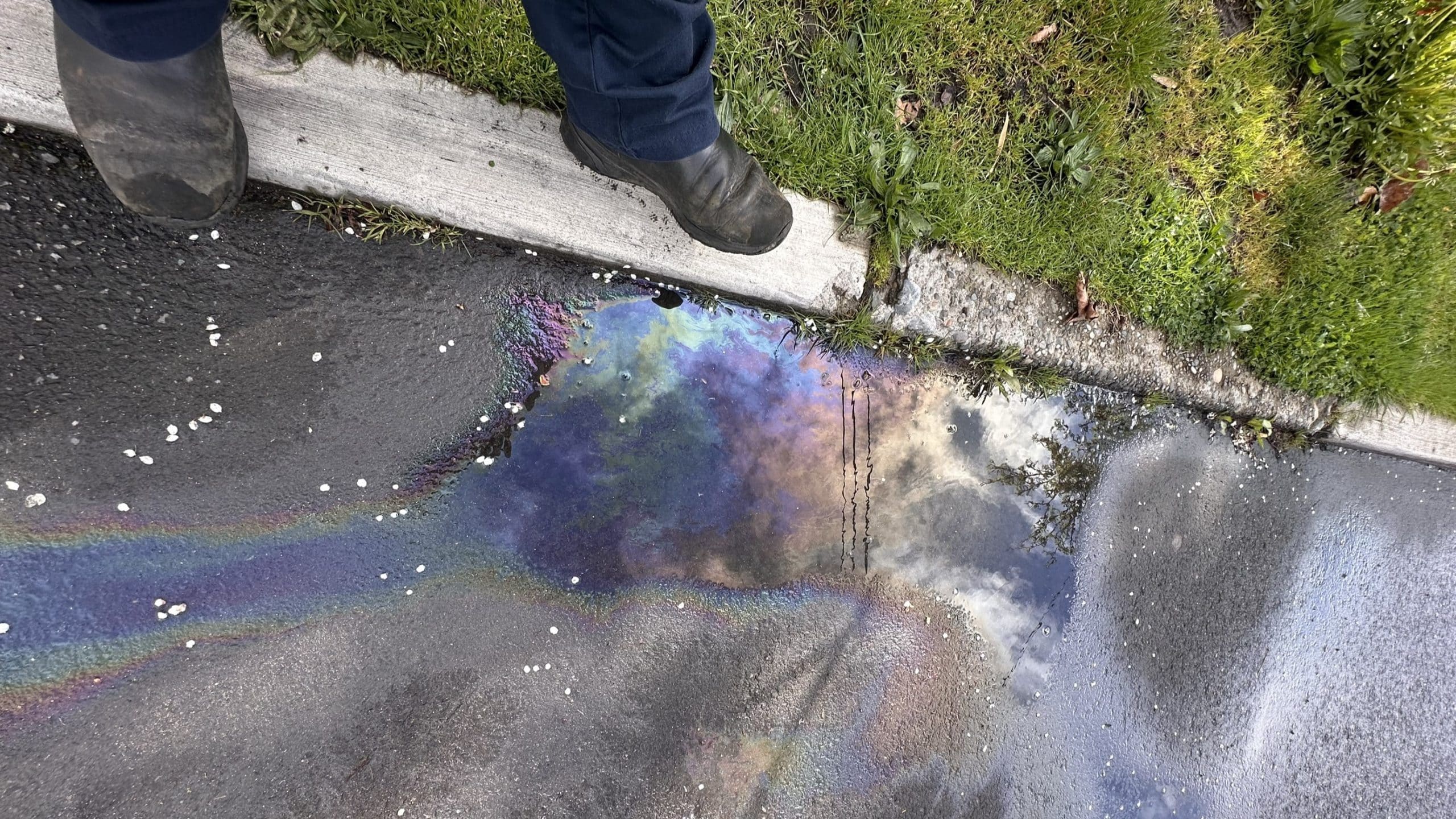
That was the case of a 20+ gallon oil spill on McClellan Street in Seattle, Washington. A truck suffered a mechanical failure involving the driveline, and oil leaked onto the road and the shoulder.
First Things First, The Tow Truck
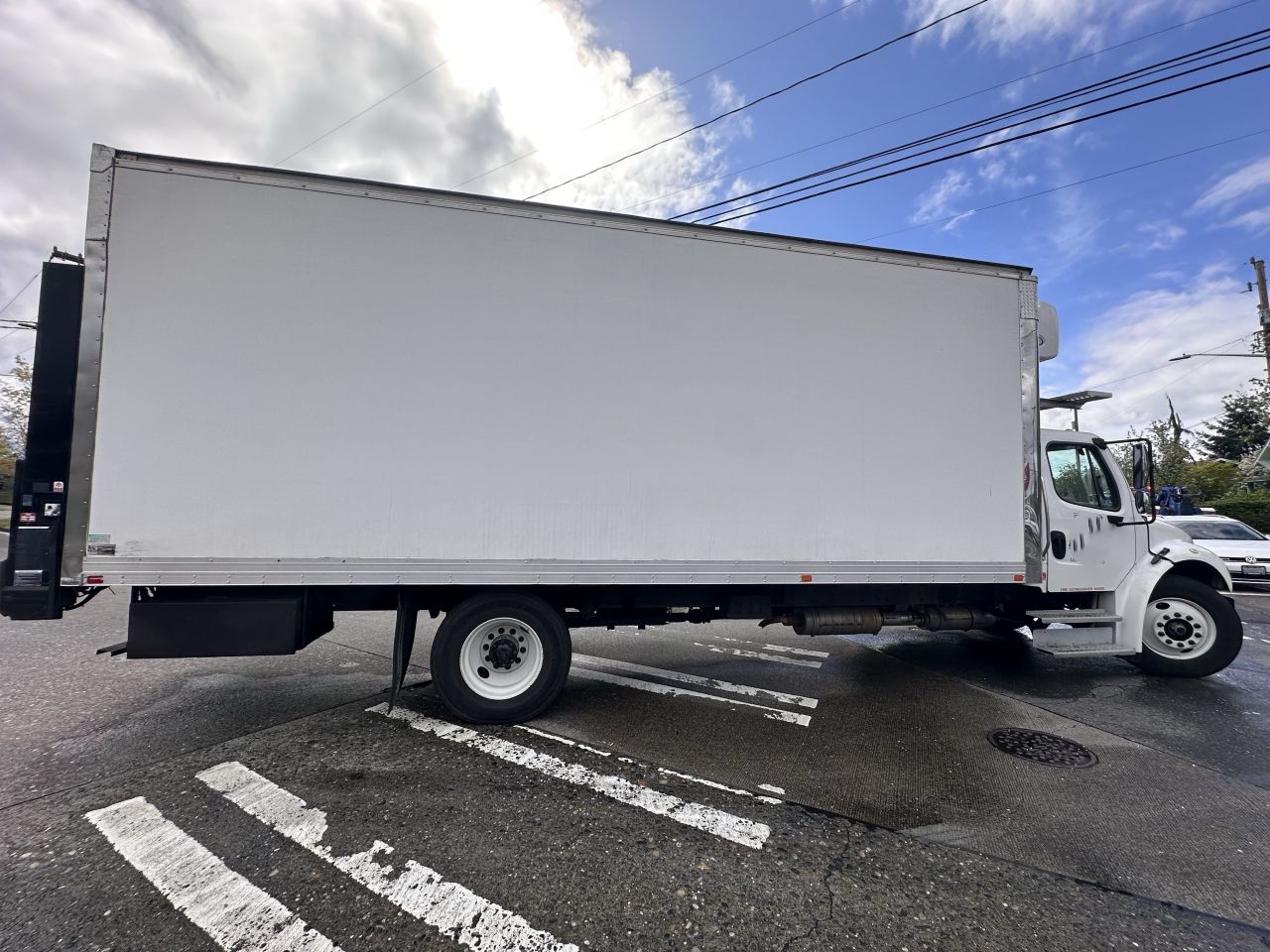
Dispatch received the call about the leaking truck and sent out both our spill response unit and Pro-Tow by FleetEasy towing division. The operator made fast work of loading the truck and moving it, as it was blocking the intersection. Once it was in a safe location and secured, the operator returned to the spill.
First, he set up visible pylons to mark off the area and prevent traffic from driving into the oil. Then, he used three bags of grease sweep absorbent material to stop the oil from spreading as much as possible.
Oil Spill Cleanup in Seattle, Stat!
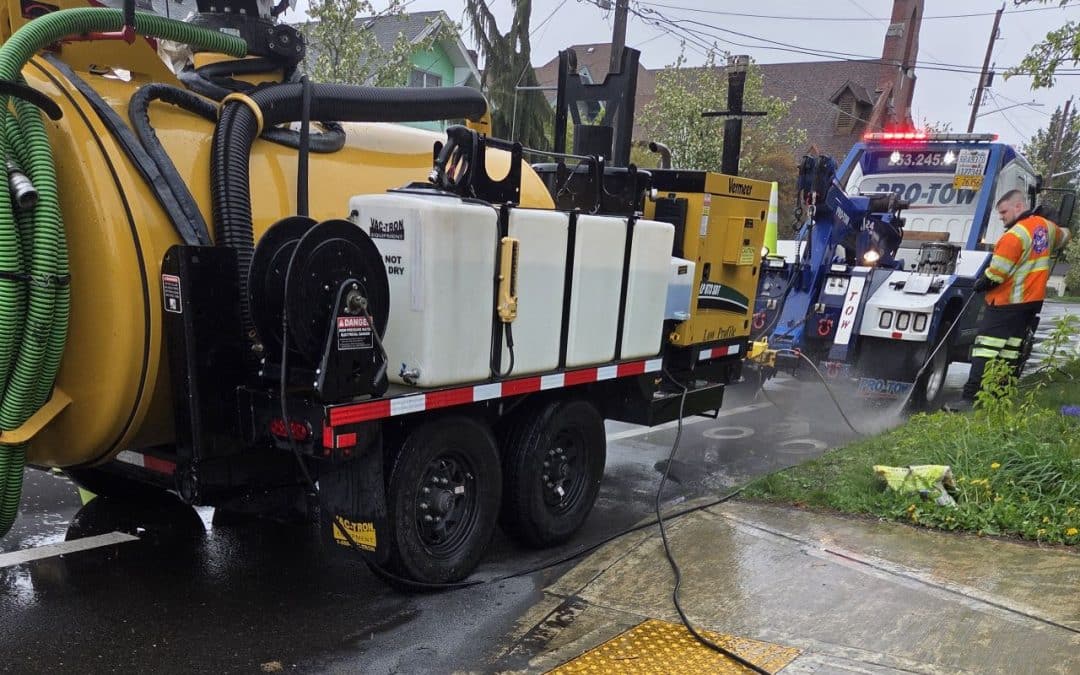
Once the scene was cleared, we could start the oil spill cleanup. We had a good understanding of the scope of the spill, so we came prepared with our vacuum trailer, compact street sweeper and spill recovery materials.
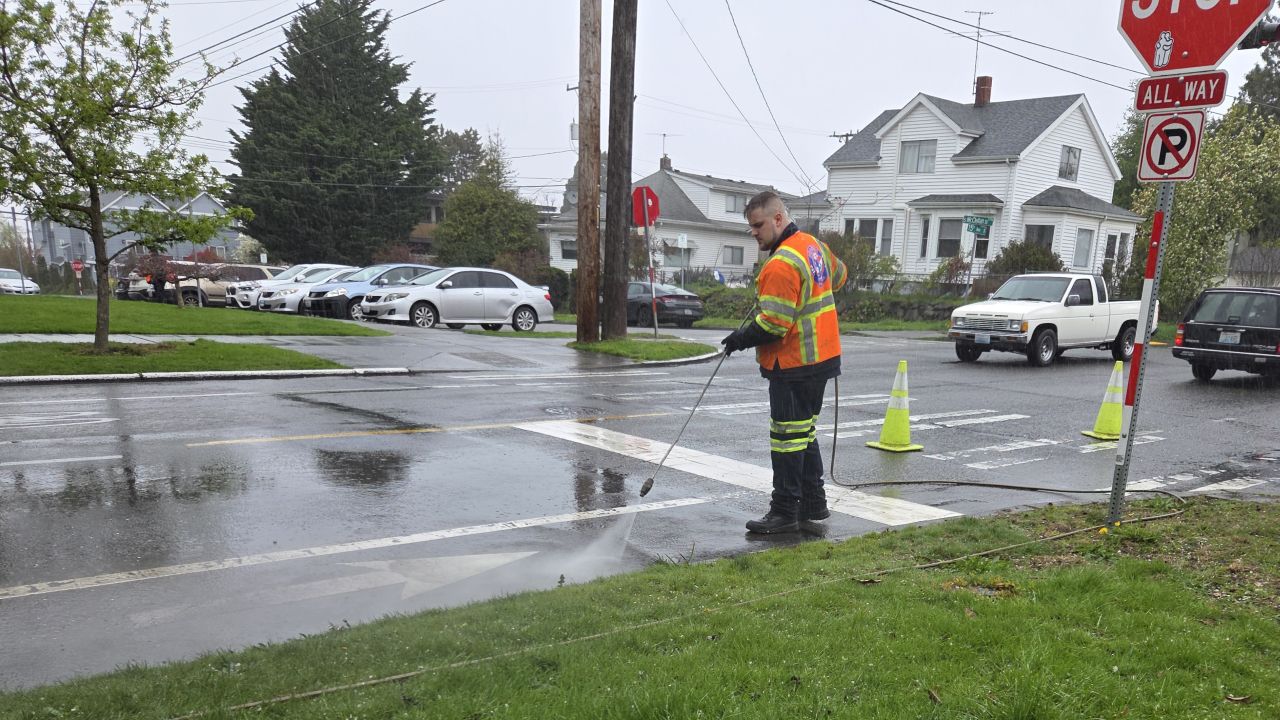
Once on the scene, Team Pro-Enviro devised a game plan. We started by sweeping up the absorbents and pressure-washing the impacted area. While pressure washing, we had an operator on the vacuum trailer to catch the contaminated water.
Storm Drain Spill Recovery
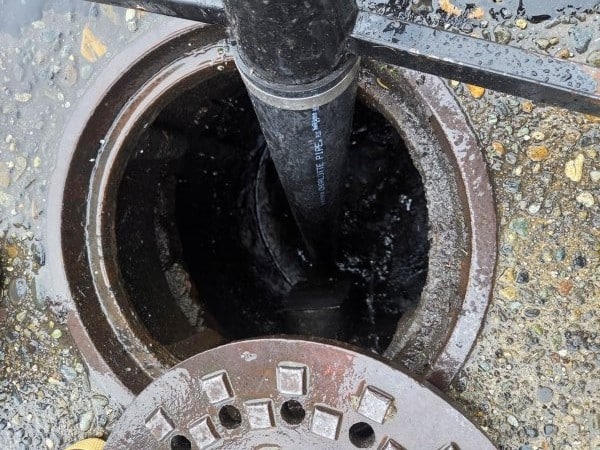
Unfortunately, the oil spill was near a storm drain, and it started raining heavily. The rainwater spread the oil into the drain, and we had to pivot our plan to address it, fast. We used the vacuum trailer to quickly remove any oily water from the drain and prevent more of the spill from entering it.
If oil or fuel contaminates a storm drain, it can have big consequences. Storm drains water is not treated, and moves into natural waterways. It can harm aquatic ecosystems, contaminate drinking water and have a serious impact on the environment. In addition, storm drain remediation is expensive, and those responsible can face penalties if storm drain spill recovery isn’t compliant with environmental regulations.
Once that was done, an inspector from the City of Seattle reviewed the oil spill cleanup, approved the cleanup and sent us on our way.
What Can Cause Vehicle Oil to Leak?
The failure of several mechanical components can cause engine oil to leak.
Catastrophic oil line or hose failure.
Many trucks, especially heavy-duty diesels, use pressurized oil lines for oil coolers, filters, turbochargers and more. If one of those lines cracks, rubs through, or a fitting blows off, the engine’s oil pump can dump all the oil in minutes or even seconds. This wasn’t the case in this incident, but at highway RPMs, oil moves quickly and under pressure, so it can spray directly onto the roadway.
Oil filter failure or blow-off
If the oil filter was installed incorrectly, has a failed gasket, a manufacturer defect or vibrates loose, it can cause an oil spill. Sometimes, it can literally pop off or leak heavily. When that happens, the engine will pump oil straight out until the sump is empty. This often leaves a long oil trail down the road.
Punctured oil pan
A truck can hit a curb, road debris, ice chunks, rocks or metal and tear open the oil pan. That’s why fuel and oil spill cleanups happen more often if there has been an accident or collision. If the oil pan cracks or is punctured, gravity takes over. This usually causes a sudden puddle or continuous spill, especially if the truck keeps driving before the driver notices the oil pressure warning.
Engine internal failure
In severe cases, a thrown connecting rod or a cracked engine block can cause an oil spill. It can punch a hole right through the block or oil pan. That results in an instant oil dump and usually a very loud mechanical failure followed by engine shutdown.
Oil cooler rupture
Oil coolers handle hot, pressurized oil. If one ruptures internally or externally, oil can escape rapidly. Sometimes mixing with coolant, other times leaking straight onto the road.
Why Does Oil Drain So Fast?
People are often surprised by how quickly this happens, but oil pumps can move several gallons of oil per minute. Plus, engines don’t shut themselves off once oil starts spewing out of the vehicle. Drivers might not notice the oil pressure light right away, and in the case of this truck, 20+ gallons can quickly spill onto the road before they can pull over or stop.
Compliant Spill Recovery in Seattle and Washington State
Pro-Enviro by FleetEasy has locations in Auburn, Maple Valley and Spokane. This allows us to serve the Seattle-Tacoma area as well as Eastern Washington and everywhere in between. Because of our 24-hour emergency services, our fleet can be dispatched into Oregon, Idaho, Montana and British Columbia, Canada.
If you’ve had an accident or mechanical failure, count on Pro-Enviro for compliant spill cleanup.