Written by the Pro-Enviro Team
Serving all of Washington State and the Pacific Northwest
Contaminating a storm drain with fuel or oil is extremely hazardous to the environment. Once they’re in the storm drain, they can travel directly into waterways, streams, and lakes without treatment, posing serious threats to aquatic life, drinking water sources, and public health. That’s why spill response and storm drain cleanup are required by law in Washington State. Failure to act quickly and correctly can lead to significant penalties.
In this article, we explain how trained emergency spill response companies like Pro-Enviro by FleetEasy handle cleanup and the potential legal consequences for those responsible for the spill.
How Spill Response and Storm Drain Cleanup is Done
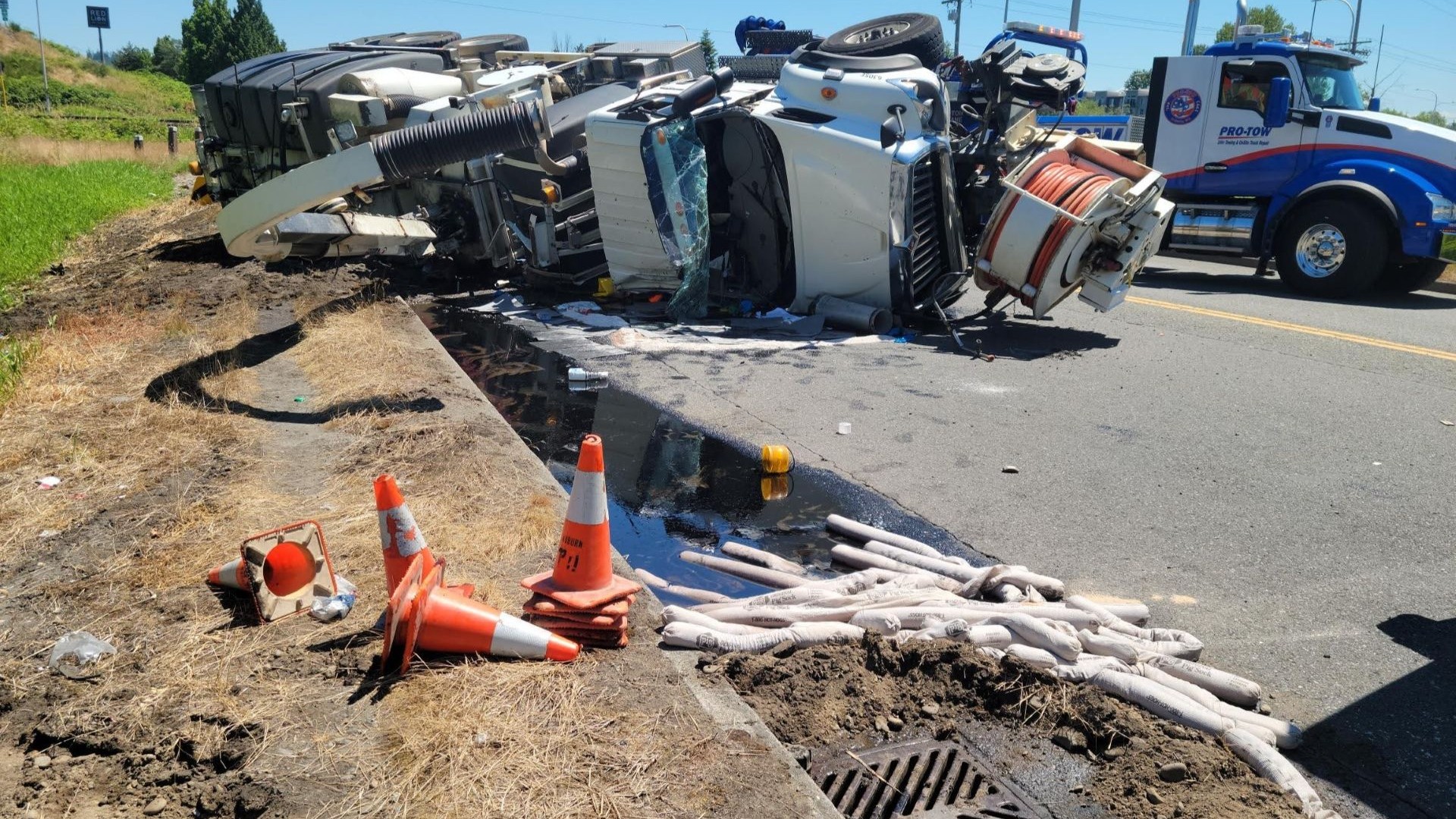
When fuel or oil reaches a storm drain, a rapid response is essential. Pro-Enviro specializes in emergency spill response and works with federal, state, and local agencies to contain and remove contaminants before they spread.
The cleanup process typically includes:
Stopping the source of the spill. If the leak is ongoing, responders first work to stop the flow of fuel or oil to prevent further spread.
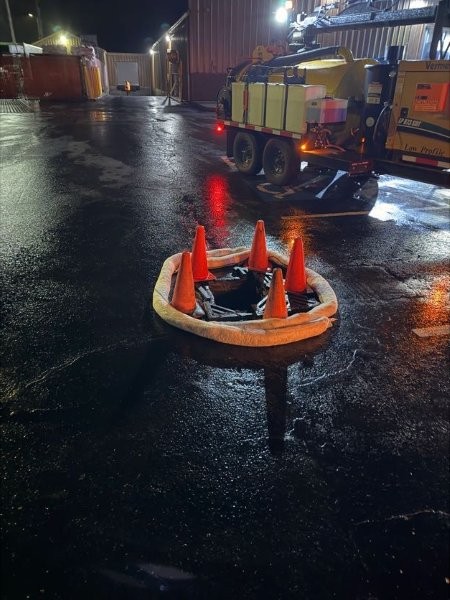
Protecting nearby storm drains. Crews use absorbent boom, pads, and barriers to protect other drains from becoming contaminated.
Vacuum removal with a vac truck. Industrial vacuum trucks are used to remove contaminated water and other liquids from catch basins, culverts, and storm drain systems. These trucks are equipped with powerful suction and storage tanks designed for hazardous fluids, allowing responders to safely remove contaminated water and contain it for proper disposal.
Soil and surface cleanup. If fuel has spilled on pavement or soil near the drain, absorbents, scrape tools, and mechanical sweepers are used for cleanup. Contaminated soil may be tested, dug up and transported to licensed disposal facilities.
Documentation and reporting. All cleanup actions are documented, and if required, results are reported to regulators. This documentation helps ensure compliance with cleanup standards and protects responsible parties from additional liabilities.
Across Washington State, agencies like the Department of Ecology emphasize a zero spills goal and support fast storm drain spill cleanup to reduce environmental harm.
Legal Consequences of a Neglected Storm Drain Spill
In Washington, anyone responsible for a spill of oil or hazardous substances to the environment can face penalties, cleanup costs, and legal liabilities. State law requires the immediate reporting of spills to authorities like the Washington Emergency Management Division and the National Response Center. Failure to report a spill as soon as it happens can lead to financial and legal consequences.
Penalties under Washington law can be substantial. For example, if you spill oil into state waters and don’t report it and conduct a spill cleanup, it may result in penalties of up to $100,000 for every day the spill poses a risk*. The exact amount depends on the severity of the spill, its environmental impact, and compliance history.
In addition to fines, those responsible for the spill are typically required to pay for the full cost of cleanup. When natural resources are damaged, a **Natural Resource Damage Assessment may be conducted, and responsible parties may be required to cover restoration costs.
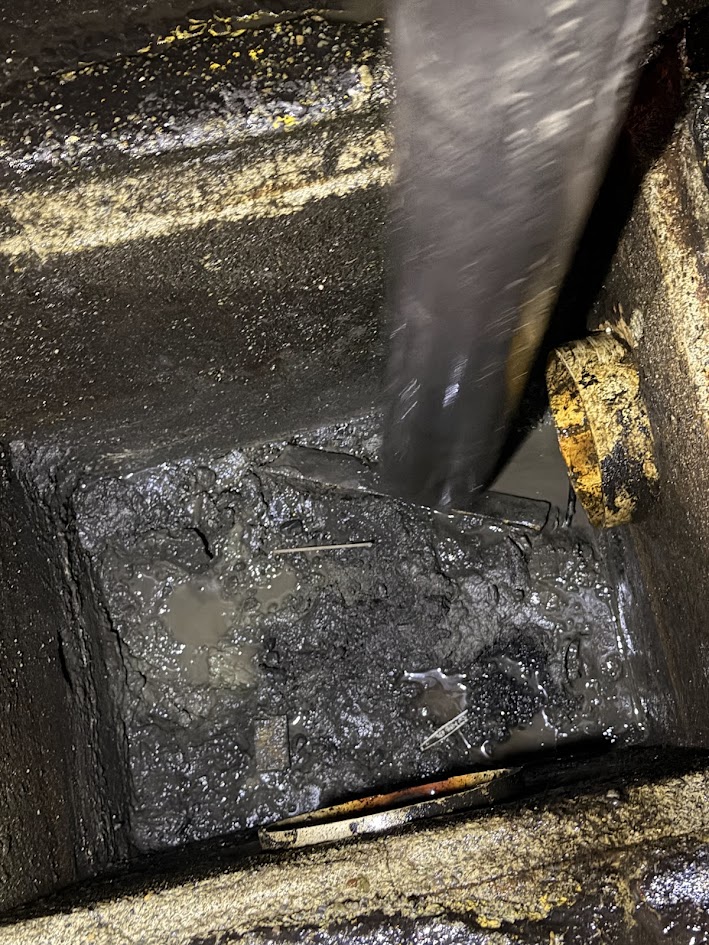
Professional Storm Drain Cleanup is Vital
Attempting to clean up fuel or oil on your own can lead to incomplete and non-compliant cleanup, further contamination, and legal risks. Professional spill response teams like Pro-Enviro are trained to assess hazards, perform compliant cleanup, use the right tools, ensure compliant disposal and communicate with regulatory agencies. Their work ensures that fuel and oil spills are addressed thoroughly, minimizing environmental harm and regulatory exposure for responsible parties.
If you witness a spill, report it immediately to authorities at 1-800-258-5990 (Washington Emergency Management) and 1-800-424-8802 (National Response Center). Early reporting allows responders to arrive quickly and protect waterways and storm drain systems.
Protecting Our Waterways Together
Remember, anything other than rainwater that enters a storm drain can flow directly into rivers, lakes, and streams without treatment. That contaminates water sources, wildlife, the environment and is hazardous to everyone. When spills happen, always call for professional storm drain cleanup. Together, we can protect waterways and the environment.
Sources:
*WA Oil and hazardous substance spill prevention and response