Written by the Pro-Enviro Team
Providing rapid spill response and storm drain cleanup in Spokane
Storm drains are designed to quickly move rainwater away from roads, parking lots, and industrial areas. In many communities across Washington State, including Spokane, stormwater flows directly into nearby waterways without treatment. This means a small fuel spill in a drainage system can quickly become an environmental concern if it is not properly contained and removed.
Professional spill response crews like Pro-Enviro by FleetEasy are trained to act quickly, protect surrounding areas, and manage cleanup that is compliant with environmental regulations. We clean up visible fuel, but the job takes a lot more than that. It involves understanding how petroleum moves, identifying where contamination has traveled, and using specialized equipment to restore the affected area.
Why Fuel in a Storm Drain is Bad News
Petroleum products are bad for the environment. Fuel can travel through underground pipes, collect in catch basins, contaminate soil, and eventually reach streams, rivers, or other sensitive areas. It can directly impact drinking water sources, harm aquatic ecosystems, wildlife, and the public. If your fuel or oil spill reaches a storm drain, it’s bad news.
Washington State’s Department of Ecology emphasizes the importance of responding quickly to oil and hazardous material spills because early action can significantly reduce environmental impacts. The longer fuel remains uncontrolled, the greater the potential for contamination to spread.
In addition, storm drain cleanup is more costly than routine spill response because it is much more involved. Failure to report or clean the spill can result in penalties, fines, and even legal charges. It’s not something you want to play around with.
The First Priority: Containing the Spill
When Pro-Enviro arrives, the first step is always assessing the situation and making the area safe. Our crew determines what contaminant was released, how much was spilled, where the spill has traveled, and whether it has entered a storm drain or waterway. We also look for immediate hazards, including traffic concerns, ignition sources, and risks to employees or the public.
If the source of the spill is still active, responders work to stop the release before additional fuel can spread. This might involve securing damaged equipment, stopping leaks, or preventing further flow into drainage systems.
Washington Ecology recommends stopping the source of a spill whenever possible, protecting people nearby, containing the material, and reporting spills when required. If you’re a fleet manager or truck driver, having a spill kit in your truck can go a long way in containing any spill before it reaches a drain.
How Spill Crews Remove Fuel From Storm Drains
Removing fuel from a storm drain requires equipment and techniques based on the size of the spill and how far the fuel has traveled.
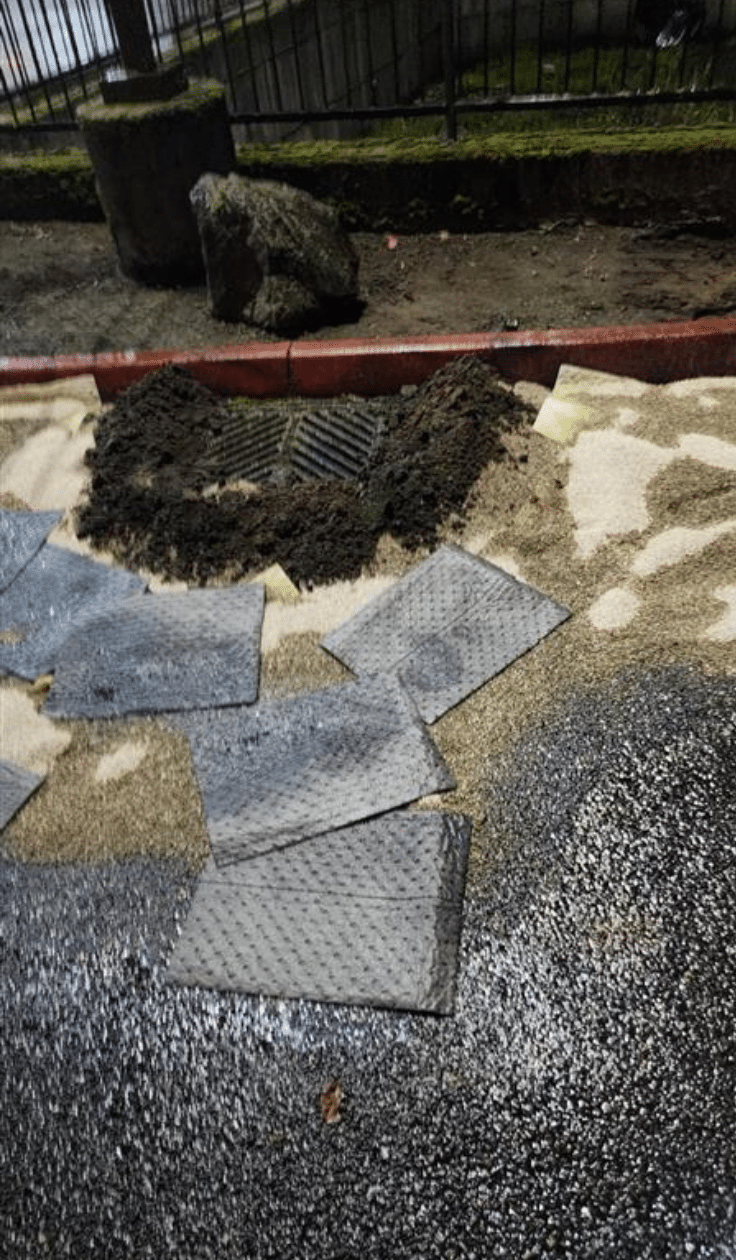
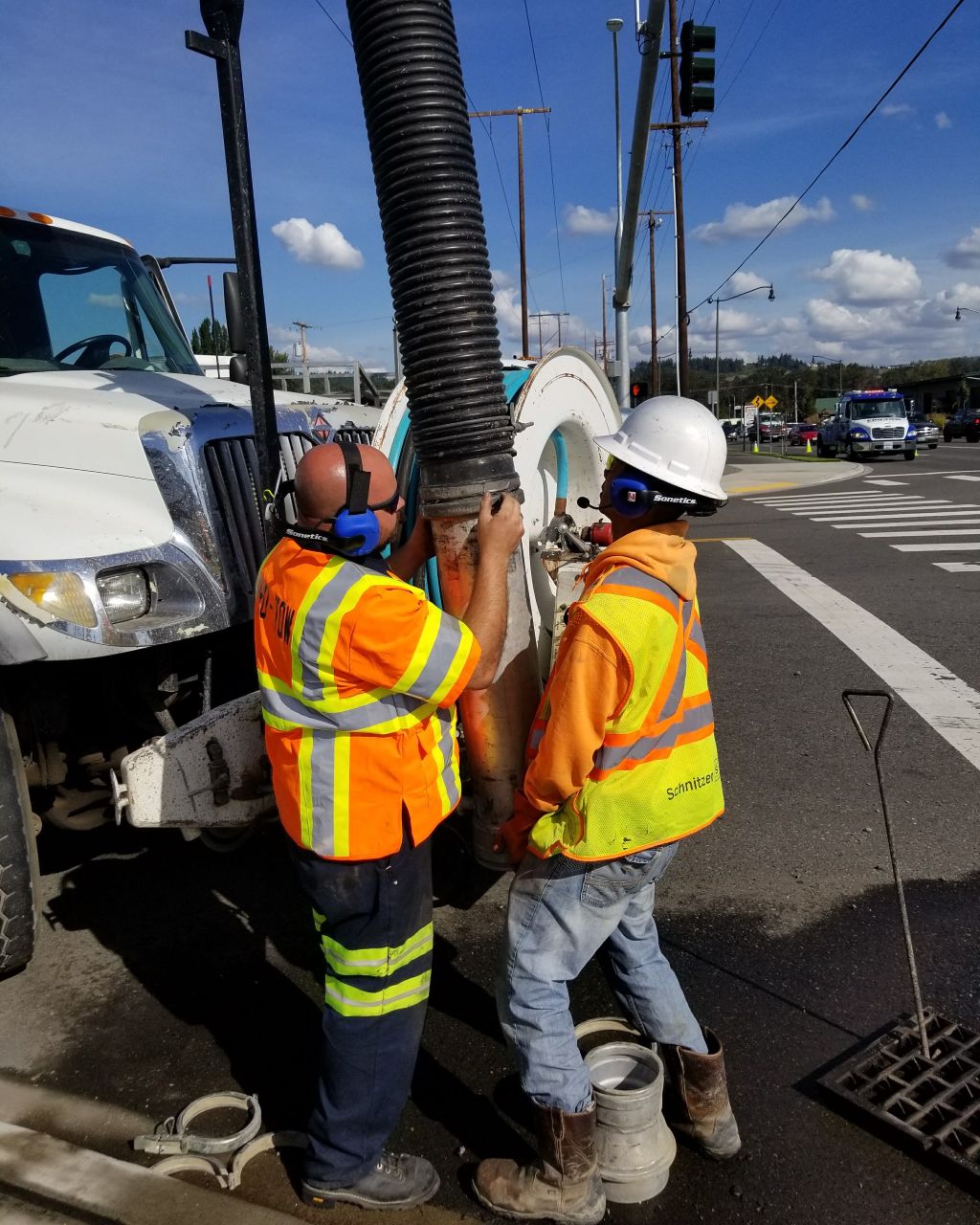
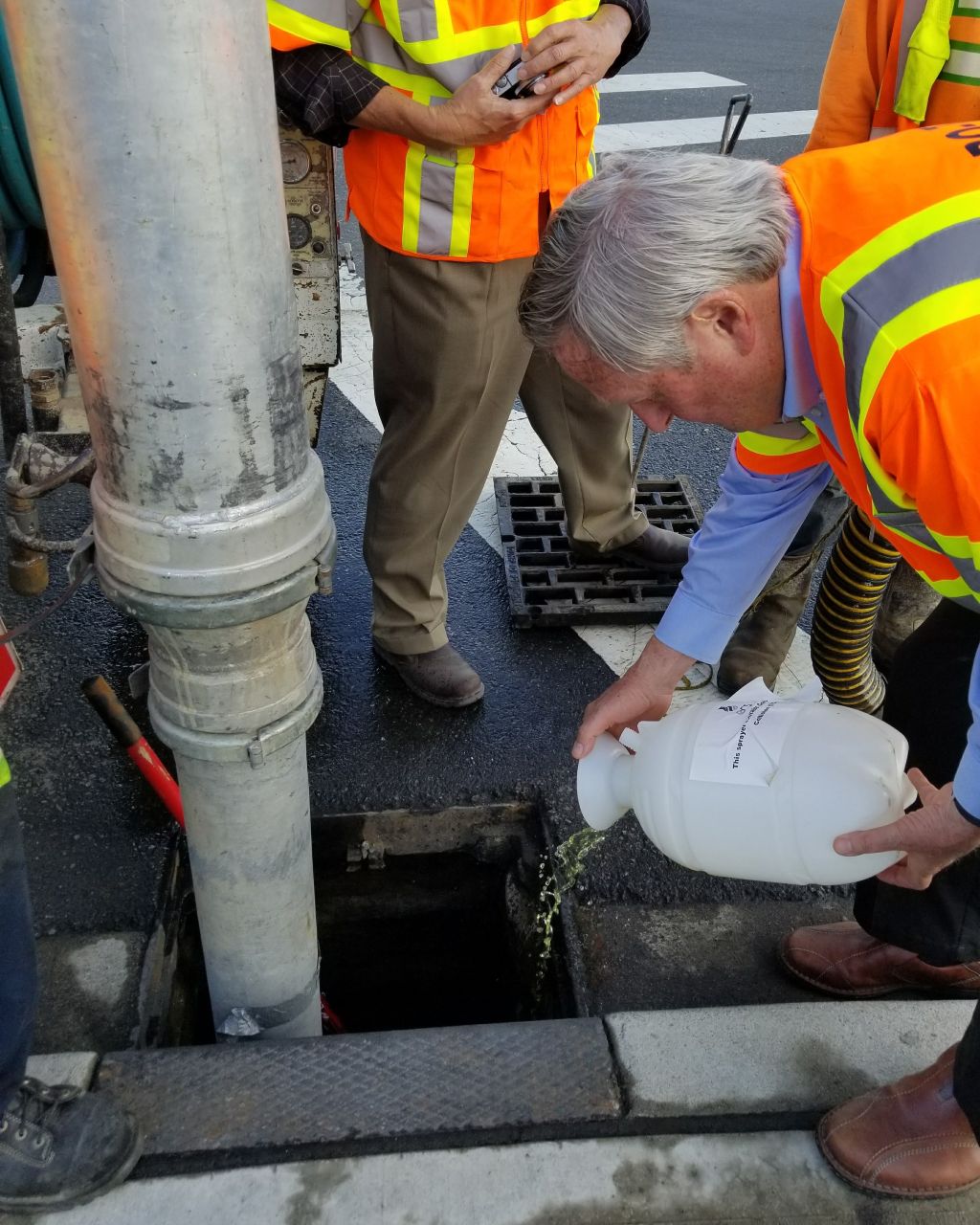
One of the most common methods is vacuum recovery. Specialized vacuum equipment (we use vac trailers and vac trucks) can remove contaminated liquids from catch basins, drainage structures, and other areas where fuel has collected. This allows responders to physically remove petroleum products rather than simply absorbing what is visible. Additionally, we will remove all contaminated water, mud, and dirt from the area. Clean up includes lab testing to ensure we’ve got it all.
Absorbent materials may also be used to capture remaining fuel residue. These materials are designed specifically for petroleum products and must be collected and handled properly after use.
In some situations, responders may need to inspect connected drainage areas to determine whether the fuel has moved beyond the original spill location. Because stormwater systems can extend underground and across large areas, identifying the full impact of a spill is an important part of the cleanup process.
Understanding Washington State Spill Reporting Requirements
Businesses operating in Washington have responsibilities when petroleum products or hazardous materials are released into the environment.
The Washington State Department of Ecology outlines reporting requirements for spills involving oil and hazardous substances, including situations where materials reach water or threaten natural resources. Depending on the circumstances, responsible parties may need to notify state and federal agencies.
Having an experienced spill response partner like Pro-Enviro helps businesses navigate these requirements. We get to the spill quickly and offer complaint storm drain remediation services.
Partner with Pro-Enviro
Pro-Enviro provides emergency spill response and environmental cleanup services throughout Washington State. We help businesses respond quickly when fuel, oil, and hazardous materials threaten their operations, the environment, and surrounding communities.
Sources:
- Washington State DOE – Spill Preparedness & Response
- Washington State DOE – What to Do If You Spill Oil or Hazardous Substances
- Washington Administrative Code – Oil Spill Prevention and Response Requirements
Pro-Enviro's Insight
- Fast Spill Response: Protecting Roads, Storm Drains, and Communities
- What Happens if a Diesel Fuel Spill Gets into a Storm Drain?
- Storm Drain Cleanup & Remediation
- Storm Drain Cleaning & Spill Recovery on the I-90