Written by the Pro-Enviro Team
Serving Washington State with Waste Oil-Water Separator Maintenance
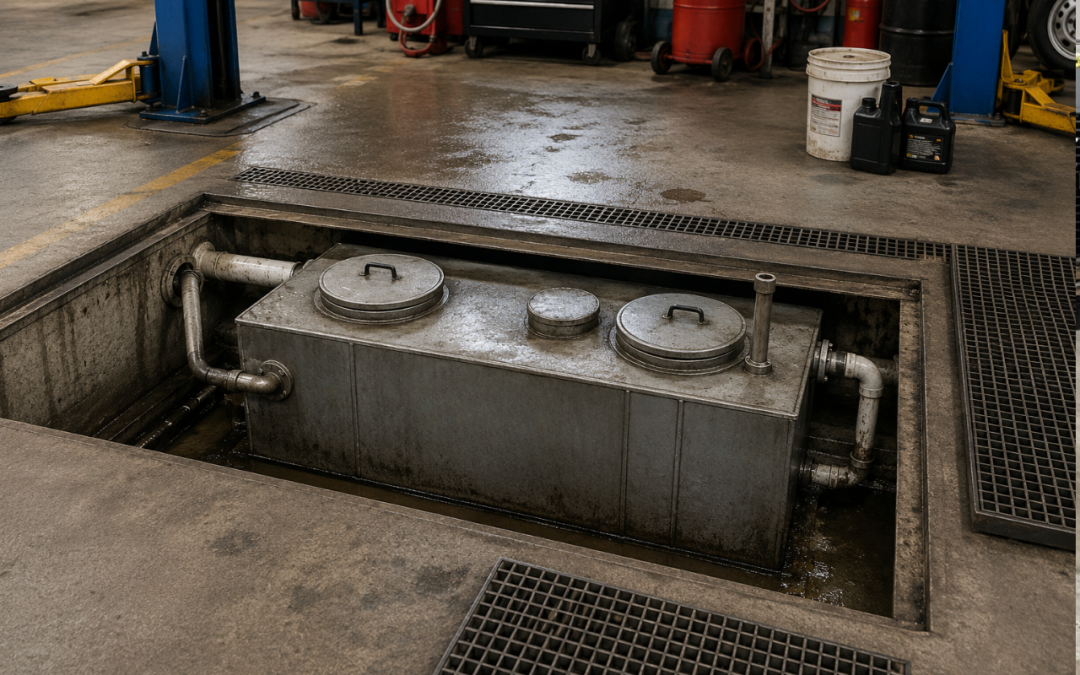
Many businesses across Washington State depend on oil-water separators every day. Automotive repair shops, fleet maintenance facilities, truck terminals, equipment dealerships and industrial operations all rely on these systems to keep oils, grease and sediment out of municipal sewer systems.
Because they're out of sight, it's easy to forget they're there. Unfortunately, putting off maintenance can lead to costly cleanouts, unexpected downtime and environmental compliance issues. Routine oil-water separator service is vital and can help you save money in the long run.
Your Oil-Water Separator Works Hard Behind the Scenes
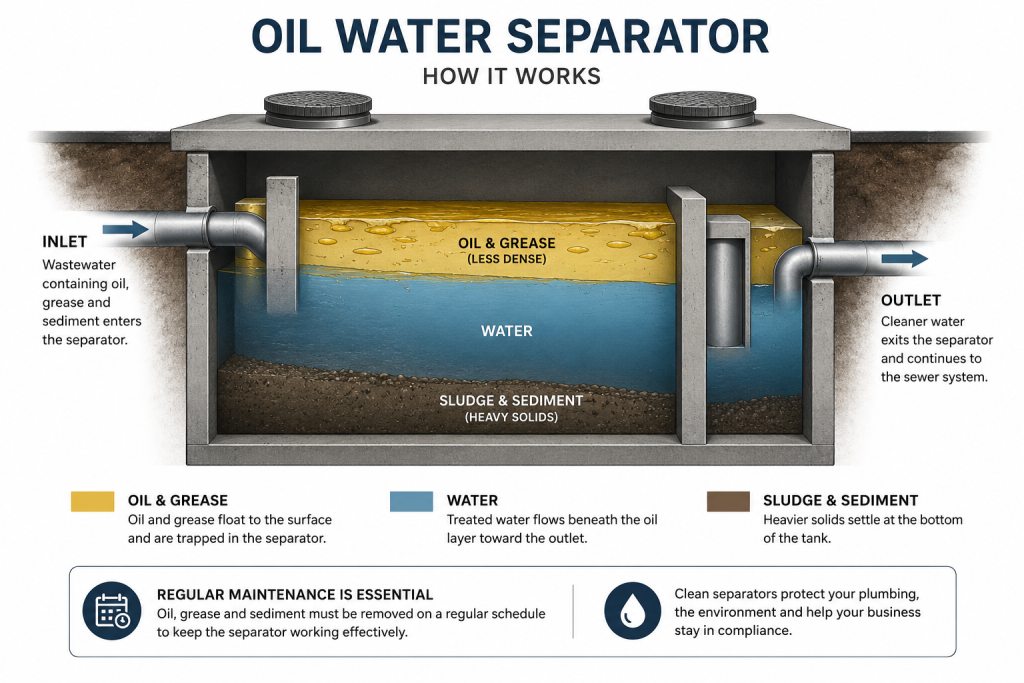
An oil-water separator is designed to separate oil, fuel and other hydrocarbons from wastewater before it leaves your facility. As water flows through the separator, oil rises to the surface while heavier solids settle to the bottom. The cleaner water can then continue through the appropriate drainage system.
Every day, small amounts of oil, grease, dirt and debris are washed into floor drains from vehicle maintenance, equipment repairs and shop cleaning. Over time, these materials build up inside the separator. If they aren't removed regularly, the system has less room to separate contaminants effectively and can eventually stop performing as intended.
The Real Cost of Delaying Maintenance
Waiting until there's a problem is almost always more expensive than following a regular maintenance schedule. As sludge and oil continue to accumulate, cleaning becomes more labour-intensive and may require additional time and equipment.
Neglected separators can also lead to operational disruptions. Slow drainage, unpleasant odours or an overloaded separator can interfere with daily operations. If they need emergency service, that’s costly downtime.
Regular maintenance is also part of being environmentally responsible. Properly maintained oil-water separators help prevent petroleum products and other contaminants from entering wastewater systems. They directly reduce the risk of environmental impacts, and this is your responsibility as a business owner.
What Experienced Technicians Look For
Cleaning an oil-water separator involves pumping out the contents. When Pro-Enviro by FleetEasy technicians come to do the job, we’ll look over the overall condition of the system to identify potential issues before they become expensive repairs.
During service, technicians may inspect:
-
- Oil and sludge accumulation
- Sediment levels
- The condition of the separator
- Signs of excessive debris entering the system
- Whether pressure washing is needed to remove stubborn buildup
No two facilities are the same. A busy commercial fleet shop that services dozens of trucks every day will often require more frequent maintenance than a smaller automotive repair shop. Developing a maintenance schedule based on your operation helps keep the system working efficiently year-round.
Extend the Life of Your Waste Water-Oil Separator
Preventative maintenance is key to your separator doing it’s job efficiently, reducing the need for repairs and premature breakdowns and replacement. You can also reduce wear on their systems by following a few best practices:
-
- Schedule routine inspections and cleaning.
- Keep large debris and solids out of floor drains whenever possible.
- Address slow drainage or unusual odours promptly.
- Maintain records of service and waste disposal.
- Work with qualified professionals like Pro-Enviro who can properly transport and dispose of collected waste.
These simple steps can help reduce emergency service calls, improve system performance and extend the life of your equipment.
Protect Your Business with Proactive Maintenance
Pro-Enviroprovides professional waste water-oil separator cleaning, pumping, pressure washing and waste transportation for businesses throughout Washington State. With locations in Auburn, Maple Valley and Spokane, we help automotive shops, fleet operators and industrial facilities maintain clean, efficient systems. In addition, we make sure collected waste is transported for proper recycling or disposal.
Oil-water separators may not be the most visible part of your operation, but they're very important. Keeping them clean protects your business from unnecessary costs, supports environmental responsibility and helps your facility continue operating without interruption. A proactive maintenance plan today can prevent a much larger problem tomorrow.
Let’s put one together!