Written by the Pro-Enviro Team
Serving Washington State with compliant spill response services since 2017.
When a fuel, oil, or hazardous material spill occurs, every minute matters. Many business owners and fleet managers focus first on the visible cleanup costs, but the reality is that delaying spill response can create far greater financial, environmental, and legal consequences.
In Washington State, spill reporting and cleanup requirements are taken seriously because even relatively small releases can impact soil, groundwater, stormwater systems, wildlife, and public health. According to the Washington State Department of Ecology, all oil and hazardous material spills cause environmental damage, and prompt reporting and response help reduce impacts to people and the environment. Failure to report or properly address a spill may result in penalties and enforcement actions.
Whether the spill occurs at a public or private facility, transportation yard, fueling station, or along a roadway, delaying cleanup can lead to costs that far exceed the initial response effort.
Environmental Damage Can Spread Quickly
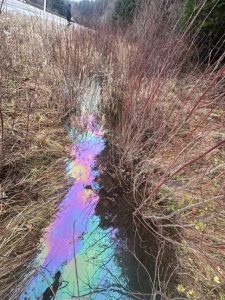 One of the biggest misconceptions about spills is that a small release will simply stay where it occurred. Unfortunately, spilled fuels and hazardous materials can migrate through soil, enter storm drains, contaminate groundwater, or reach nearby waterways.
Washington's Department of Ecology emphasizes that rapid response is critical because the sooner a spill is addressed, the less environmental harm it can cause. Oil and hazardous substances that enter water must be reported immediately due to their potential impact on ecosystems and public resources.
A spill that initially seems minor may eventually require soil excavation, groundwater investigation, or long-term environmental monitoring if contamination is allowed to spread. What could have been a straightforward cleanup can quickly become a much larger (and expensive) remediation project.
Regulatory Penalties Can Add Up
Many organizations underestimate the regulatory implications of delaying a response. The Washington State Department of Ecology requires responsible parties to report spills of oil and hazardous materials. Failure to report a spill can result in significant penalties, and spills that affect waterways may lead to enforcement actions ranging from warnings and administrative penalties to criminal prosecution in severe cases.
Washington's spill regulations are designed to protect the environment and public safety. In addition to cleanup costs, responsible parties may be required to reimburse government agencies for response, assessment, and investigation expenses. Certain incidents may also trigger natural resource damage assessments and other liabilities.
For businesses, these costs can far exceed the expense of hiring an environmental contractor like Pro-Enviro Spill Response immediately after a spill occurs.
Business Operations May Be Disrupted
A delayed cleanup can have operational consequences, too. A spill can impact delivery schedules, vehicle operation, employee safety, equipment use, facility access and more! In some cases, contaminated areas may need to be isolated until environmental professionals assess the extent of the release and implement appropriate cleanup measures.
For businesses operating on tight schedules, even a short delay can impact productivity, project timelines, and revenue. Prompt response often helps minimize downtime and allows operations to resume more quickly.
Long-Term Liability Can Increase
A spill that penetrates soil or groundwater can create long-term liabilities that persist long after the initial incident. Washington's cleanup programs are designed to address contamination that threatens human health and the environment, and remediation requirements can become increasingly complex as contamination spreads.
The longer contamination remains untreated, the more extensive the investigation and cleanup process may become. This can lead to higher consulting costs, additional sampling requirements, and more complicated remediation plans.
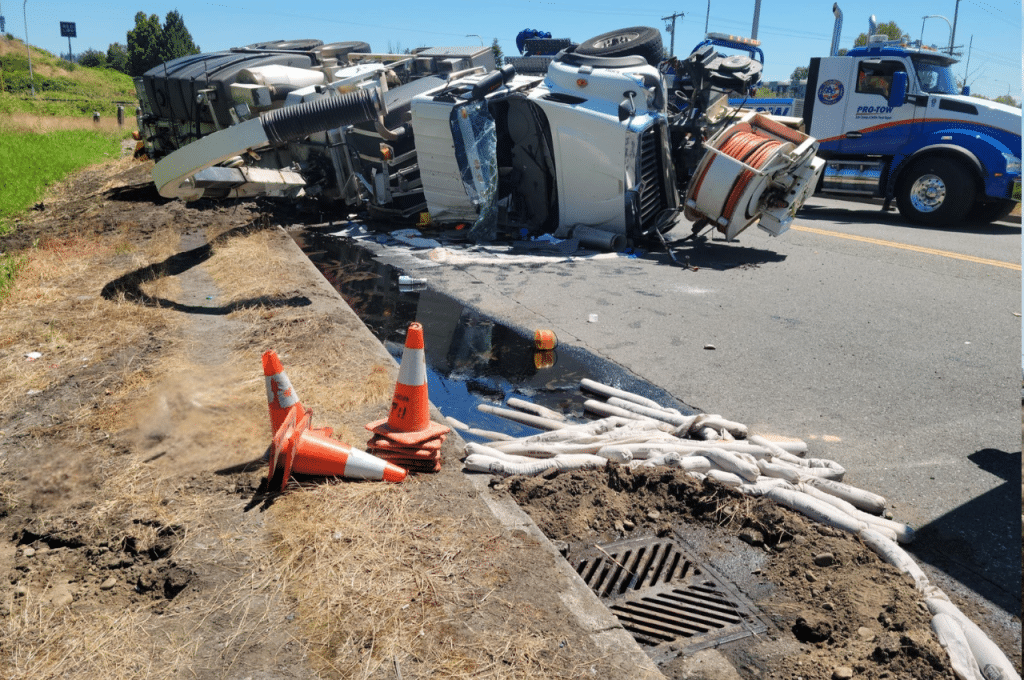
Reputational Damage Can Be Difficult to Repair
Today's business environment places a growing emphasis on environmental responsibility and regulatory compliance. Customers, partners, municipalities, and regulators expect organizations to respond appropriately when environmental incidents happen. Delays in reporting or addressing a spill can damage public trust and raise concerns about a company's commitment to safety and environmental stewardship.
For industries that rely on public confidence, including transportation, manufacturing, construction, property management, and energy services, damage to your reputation can be significant and long-lasting.
Rapid Spill Response Mitigates Cost and Risk
The Washington State Department of Ecology maintains a "zero spills" goal and emphasizes that prevention and rapid response are far less costly than addressing the long-term consequences of contamination. Fast, coordinated action helps reduce impacts to the environment, public health, communities, and the economy.
- Rapid spill response will help by:
- Stopping the source of the spill if it can be done safely.
- Contain the spill to prevent spread.
- Report the incident as required.
- Contact a qualified environmental response contractor like Pro-Enviro by FleetEasy.
- Begin cleanup, disposal, documentation and reporting as quickly as possible.
Taking immediate action can significantly reduce cleanup costs, environmental impacts, and liability issues. Acting quickly helps protect the environment and safeguards your operations, reputation, and bottom line.