
Written by the Pro-Enviro Team
Offering Waste Oil-Water Separator Service in Spokane, Auburn and Maple Valley, Washington.
Managing oily wastewater is a regulatory and environmental responsibility for businesses that produce it. Automotive repair shops, oil change facilities, heavy-equipment service yards, and industrial operations all generate wastewater that contains oil, fuel, grease, and suspended solids. Before that dirty water can be discharged, it must be treated properly. That’s where waste oil-water separator service becomes critical.
In cities like Spokane, where stormwater systems connect directly to local waterways, improper handling of oily wastewater can lead to environmental damage, fines, and even shutdowns. Understanding how oil-water separators work and how to maintain them is essential.
Pro-Enviro by FleetEasy offers a compliant waste oil-water separator maintenance, cleaning and disposal service. Here, we share important information for commercial and industrial business owners.
What Is a Waste Oil-Water Separator?
A waste oil-water separator is designed to separate hydrocarbons and solids from wastewater before it leaves a facility. These systems slow water flow, allowing oil to rise to the surface and solids to settle at the bottom. Cleaner water can then be safely removed while contaminants are captured for proper disposal.
However, separators are not “set it and forget it” systems. Without routine cleaning of waste oil-water separators, oil layers thicken, sludge hardens, and the machine's efficiency drops. Over time, this can cause untreated contaminants to bypass the system entirely. This puts your business at risk of violations. Plus, a filthy, clogged separator is more expensive to clean.
Why Regular Waste Oil-Water Separator Cleaning Is Essential
Routine waste oil-water separator cleaning plays a major role in the lifespan of your system and in protecting the environment. When separators are not serviced regularly, sludge buildup becomes compacted and far more difficult (and expensive, as mentioned) to remove. In extreme cases, systems can fail altogether.
For facilities in Spokane and across Washington State, scheduled waste oil-water separator service helps:
-
- Maintain proper separation efficiency
- Reduce the risk of oil entering storm drains or sewer systems
- Extend the life of tanks, sumps, and internal components
- Support accurate environmental recordkeeping and inspections
From an operational standpoint, regular cleaning also minimizes unplanned downtime and the need for emergency repair services.
The Waste Oil-Water Separator Service Process
A comprehensive waste oil-water separator service typically involves several steps. First, the system is inspected to assess oil levels, sludge depth, and overall condition. Vacuum equipment is then used to remove oily water, sludge, and settled solids. After pumping, pressure washing may be required to fully clean tanks, sumps, and internal surfaces.
Collected waste must be transported to licensed recycling or disposal facilities, where used oil can be processed or recycled and oily water can be treated in accordance with environmental regulations. Proper documentation is an important part of this process, especially for businesses subject to audits or inspections in Spokane and the surrounding areas.
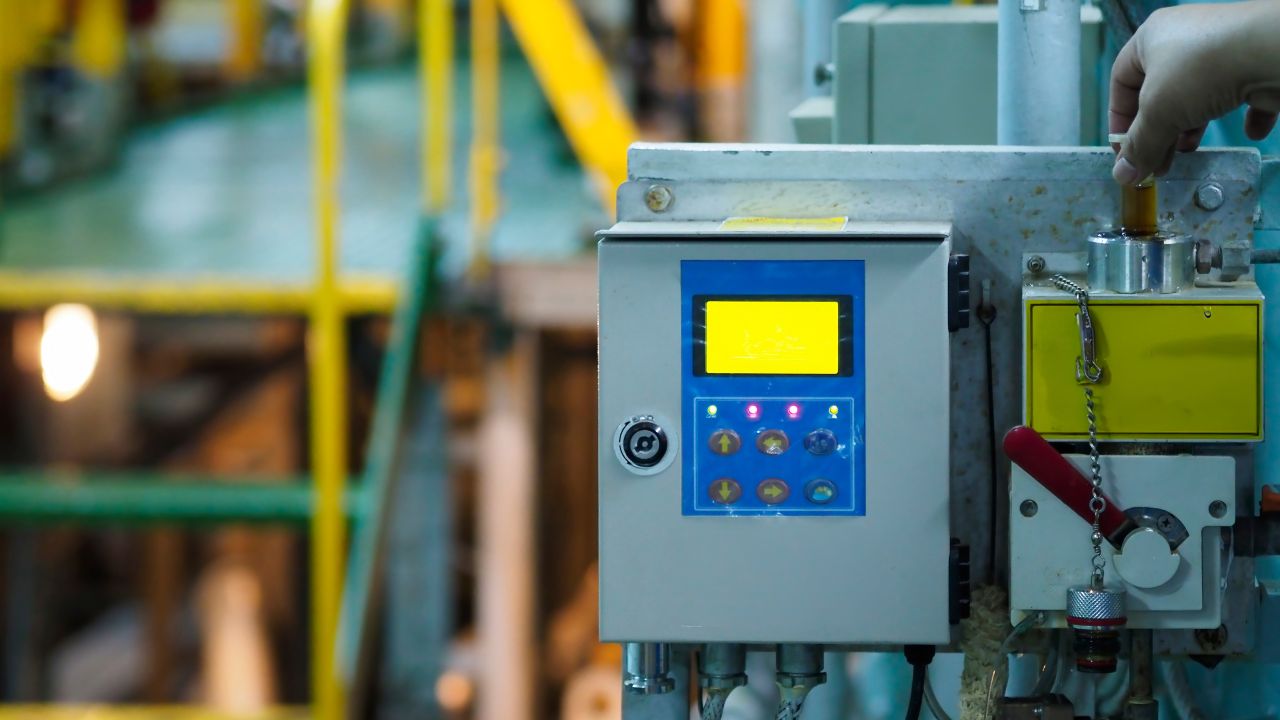 Waste Oil-Water Separator Controls
Protecting the Environment is All Our Responsibility
Waste oil-water separation is required by law for many operations and also plays a key role in protecting soil, groundwater, and surface water. In Spokane, storm drains often lead directly to rivers and creeks, meaning even small amounts of oil can be damaging.
Consistent cleaning and maintenance of waste oil-water separators helps prevent accidental discharges and spills, ensuring your business is compliant and environmentally responsible.
Expertise and Lasting Partnerships
Pro-Enviro works with businesses across Washington State to support safe, compliant wastewater management. Their experience with spill response, environmental regulations, and waste handling ensures we use best practices for waste oil-water separator service. And we can help in both routine and emergency situations.