Written by the Pro-Enviro Environmental Response Team
Serving Seattle, Auburn, Maple Valley, Spokane and all of Washington State
Pro-Enviro by FleetEasy provides comprehensive and compliant spill response services throughout Washington State. Since 2017, we've served individuals, businesses, and municipalities, often working alongside other first responders to ensure public safety and environmental protection in Washington State. Learn about Pro-Enviro.
Sometimes Oil and Fuel Spills Happen at Home
Pro-Enviro by FleetEasy handles many major vehicle fuel and oil spills after accidents or mechanical failures, but spills can also happen at home. If your car is leaking or damaged and causing a gas or oil spill, it can have the same environmental impact as some of the bigger jobs you see us reporting on. When it reaches pavement, soil or, in a worst-case scenario, a storm drain, it becomes a serious problem.
Recently, we responded to a call about oil leaking from a passenger vehicle parked outside the customer’s house. Here’s what went down:
A Routine Oil Change Turns into an Environmental Concern
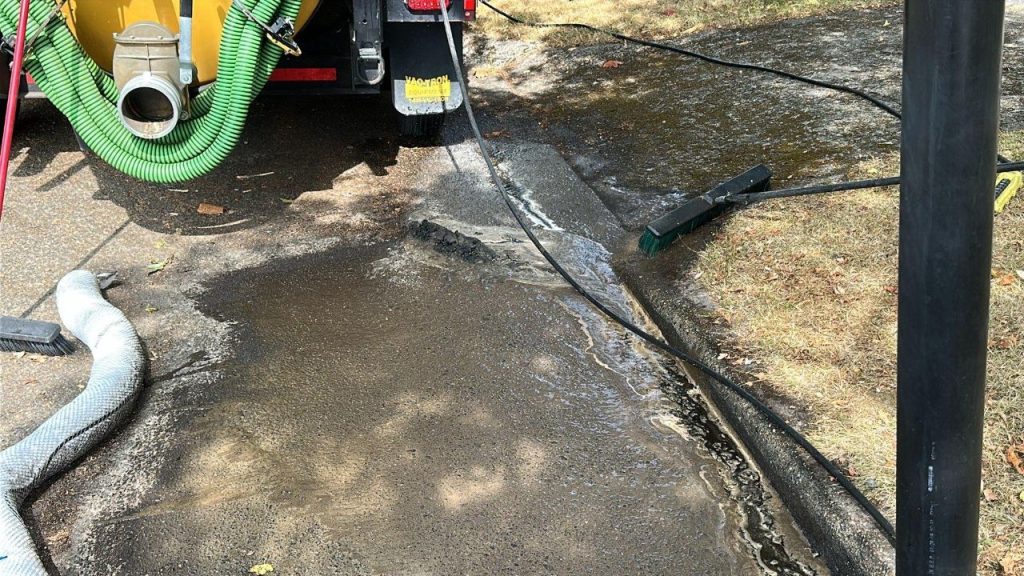
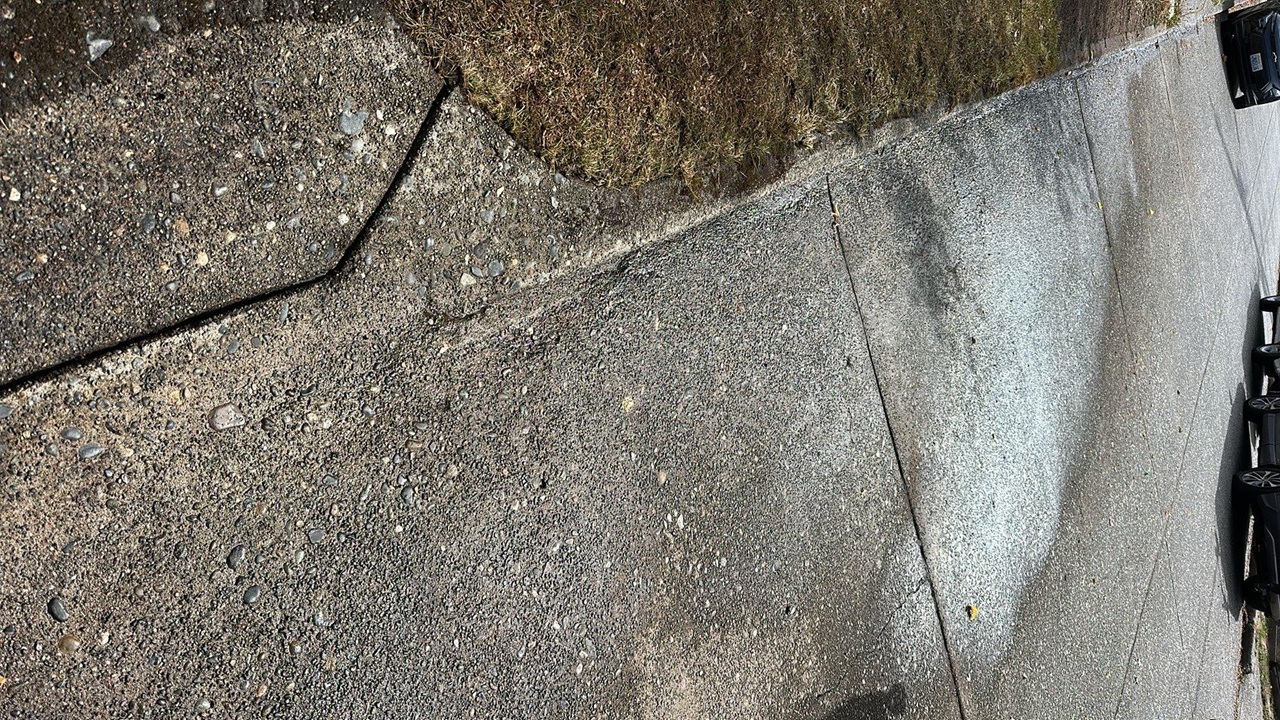
After having an oil change service done at a dealership, a customer returned home and noticed oil leaking from their vehicle onto the street outside their property.
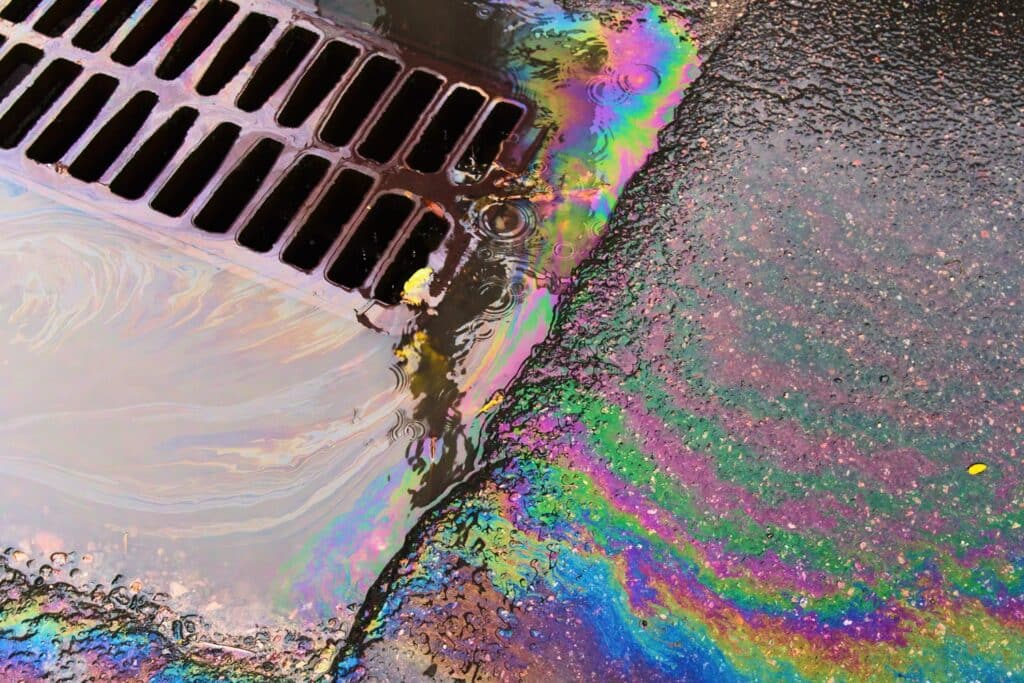
At first glance, the spill may not have seemed extensive. However, a storm drain was nearby. Thankfully, this person knew that storm drains can flow directly into streams, rivers, lakes, or other waterways without going through a treatment facility. That means oil on the pavement can potentially travel through the stormwater system and reach the environment.
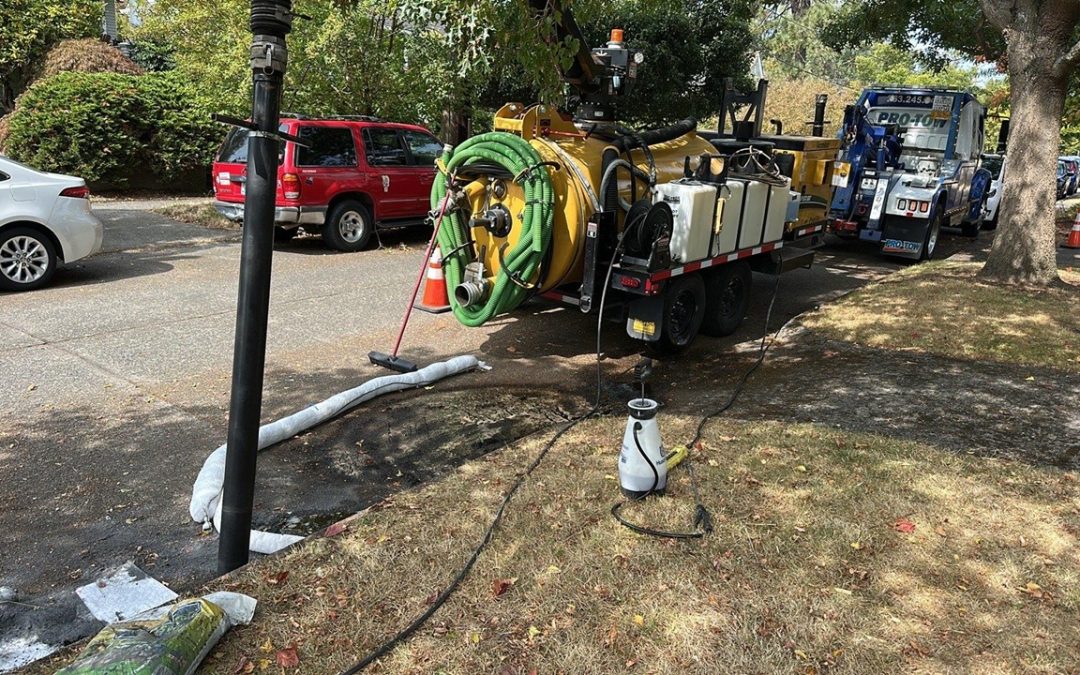
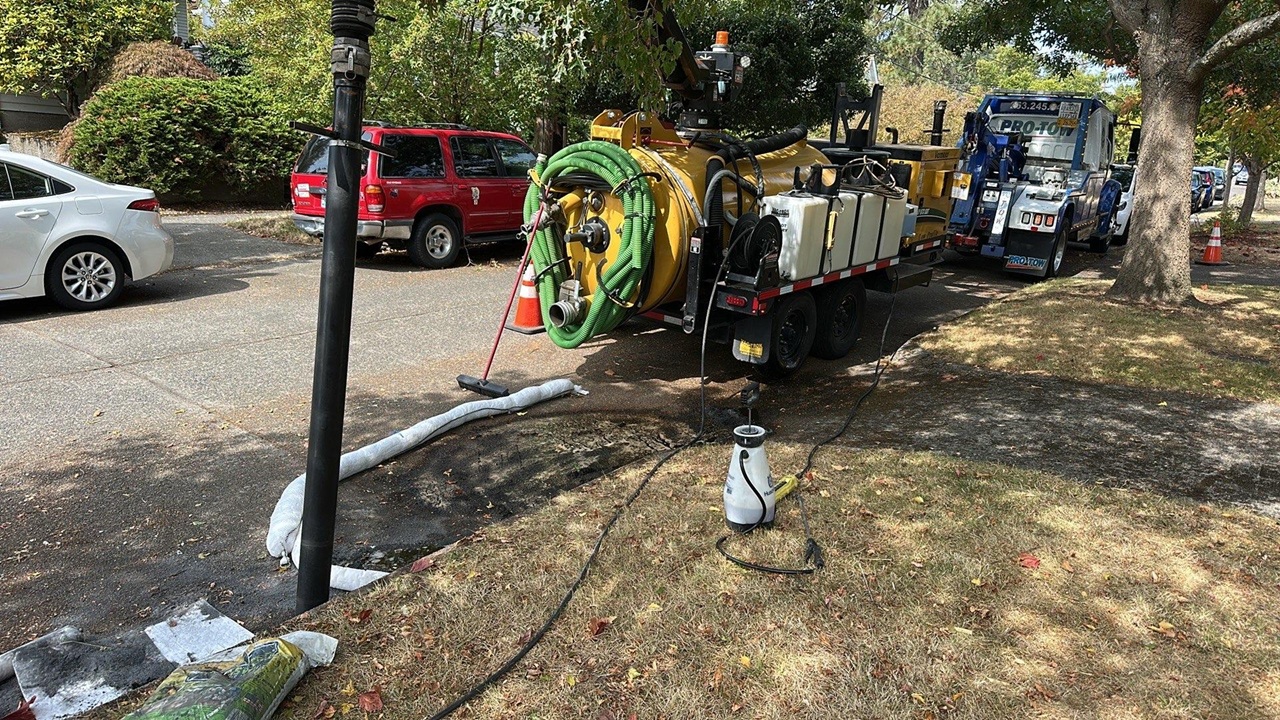
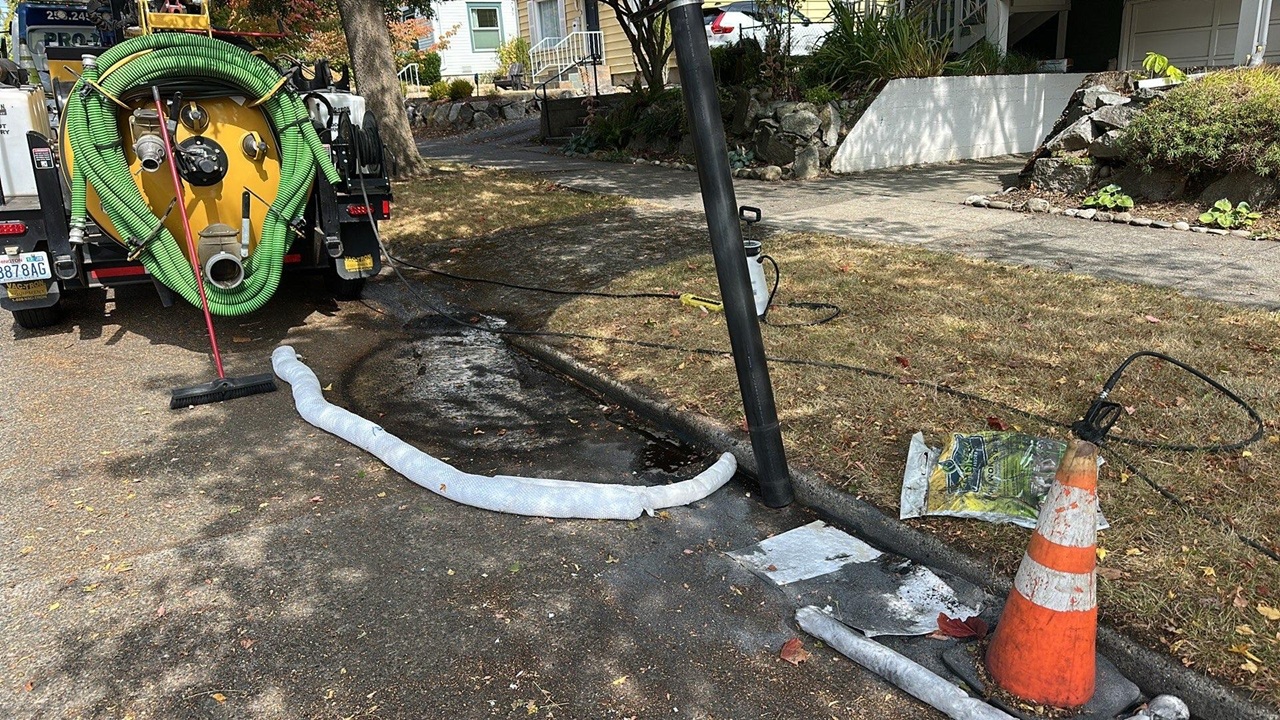
Our team responded to assess the situation and carry out the necessary cleanup. We brought our vacuum trailer and cleaned it up using absorbents and other materials. Thankfully, the spill did not reach the drain, and we cleaned it up promptly.
Most of us drive cars, so this could really happen to anyone.
What Should You Do If Oil or Fuel Spills Around Your Home?
If you discover an oil or fuel spill on your driveway, street, or property, prioritize safety and containment. Washington State Department of Ecology provides the following general steps for responding to an oil or hazardous substance spill:
1. Stop the source if it is safe to do so
If possible, stop the leak or move the source away from the spill area. For example, this might mean shutting off equipment or addressing a leaking container. For example, if your oil pan is leaking, place a bucket or tarp under it to catch the spill.
Only do so if it is safe. Never put yourself at risk. If it’s unsafe, wait for the spill response team.
2. Keep people away from the area
Warn others nearby and keep children and pets away from the spilled material. If ignition sources are nearby, such as cigarettes, flames, or equipment that could create sparks, shut them off when it is safe to do so.
3. Prevent the spill from spreading
If it is safe, use appropriate absorbent materials to contain the oil. The goal is to prevent it from spreading toward storm drains, ditches, waterways, or other sensitive areas. You could use something like sand to prevent it from spreading.
Do not wash oil into a drain with water. This can worsen the environmental impact by moving contamination further through the stormwater system.
4. Report the spill when required
Washington Department of Ecology outlines specific reporting requirements based on the type and location of the spill.
For spills to water, reporting is required immediately. Oil spills to ground have additional reporting requirements depending on the quantity and whether they affect surface or groundwater. Uncontrolled spills or spills of unknown quantities may also require notification.
When in doubt, contacting the Department of Ecology is the safest bet.
Washington State Oil Spill Reporting Requirements
The Washington State Department of Ecology provides guidance for people and businesses responsible for oil or hazardous material spills.
Some important points include:
-
- Spills of oil or hazardous substances into water must be reported immediately.
- Oil spills to ground greater than 42 gallons are immediately reportable to Ecology.
- Smaller spills may still require reporting if they impact surface water or groundwater. That was the case in this incident.
- Uncontrolled spills or spills of unknown quantities should be reported.
- There are no penalties for reporting a spill unnecessarily, but failing to report a spill when required can result in penalties.
For complete and current requirements, always refer directly to the Washington State Department of Ecology. Here are some links.
Why Professional Spill Cleanup Is Important
Professional environmental cleanup companies understand how to assess a spill, contain contamination, remove impacted materials, and manage cleanup waste appropriately. The team at Pro-Enviro can assess the spill's source and set up containment to stop the spread and protect nearby storm drains and waterways.
We come with specialized absorbent and containment materials and spill cleanup equipment to get the job done right. We also remove and dispose of all contaminated materials and waste according to local regulations and handle reporting to ensure compliance.
Washington Department of Ecology advises anyone responsible for a spill like this one to hire a state-approved primary response contractor like Pro-Enviro when cleanup is required.
Whether the spill involves oil, fuel, or another hazardous material, an early professional response can help minimize environmental impact and make cleanup more manageable. If you’re not sure what to do, call us. We are happy to help.