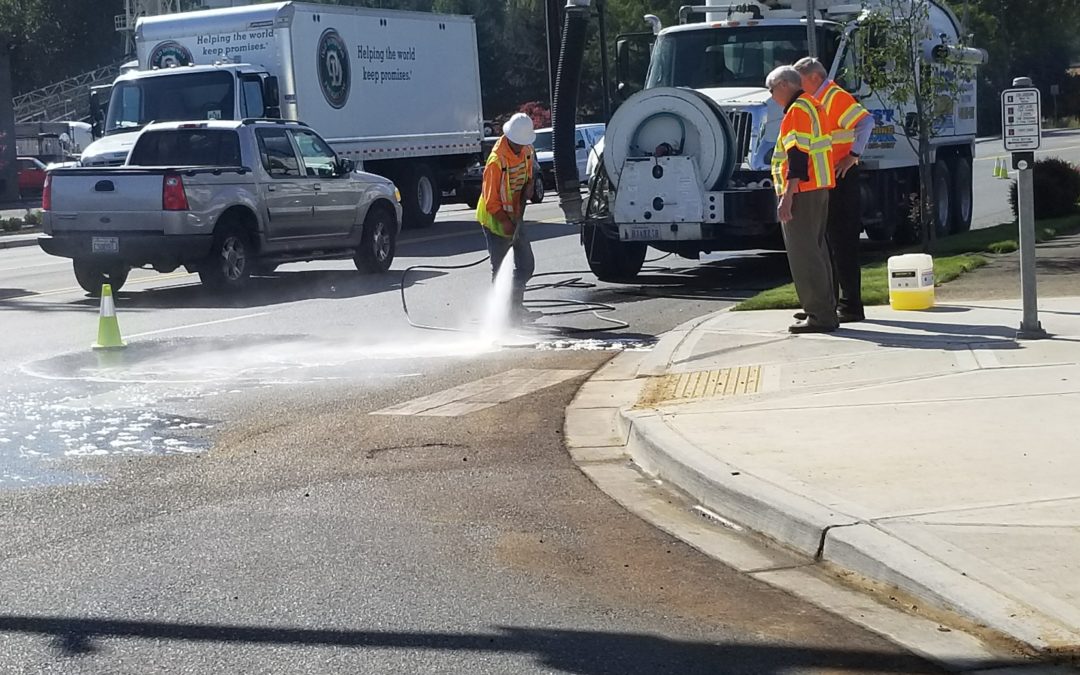
When a vehicle accident happens, fuel, oil, coolant, and other hazardous fluids can quickly spill onto roadways, seep into soil, or enter storm drains. These motor vehicle fluid spills can create serious environmental and safety risks.
That’s where professional spill response teams like Pro-Enviro by FleetEasy come in. Specializing in 24/7 motor vehicle spill cleanup across Washington, their crews respond quickly to contain, clean, and restore impacted areas.
Not everyone knows what to do if there has been a spill. Here are some answers to frequently asked questions.
Motor Vehicle Spill Cleanup FAQs
1. What should I do immediately after a fuel or oil spill?
First, prioritize safety. If you’re involved in an accident or notice a spill, move to a safe location if possible and avoid contact with the spilled material. Report the spill to the Washington State Department of Ecology. If you don’t, there could be costly legal penalties.
If there is danger, call for emergency responders. In many cases, spill response teams work alongside police, fire departments, and transportation agencies to manage the incident safely.
2. Do all vehicle fluid spills require professional cleanup?
Not always, but many do. Spills that typically require professional cleanup include diesel or gasoline leaks, engine oil or hydraulic fluid spills, coolant or chemical releases, and any spill entering a storm drain or soil.
If you’re not sure if your spill needs to be reported or professionally cleaned up, call Pro-Enviro. We’ll point you in the right direction.
3. Why is it dangerous if fuel or oil reaches a storm drain?
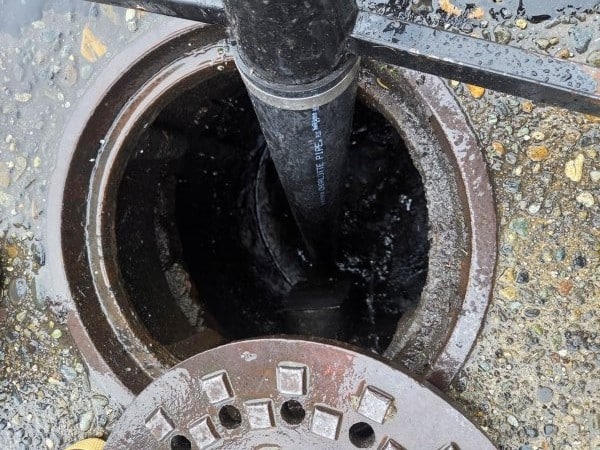
Storm drains don’t lead to treatment facilities. They often flow directly into local waterways. A spill can contaminate rivers, lakes, and groundwater, harm wildlife and aquatic ecosystems. Additionally, they can trigger regulatory fines and cleanup liabilities for those responsible.
4. What does a professional spill cleanup process look like?
While every situation is different, most spill responses follow this process:
Rapid Dispatch & Assessment
Crews arrive quickly, assess the spill, and coordinate with on-scene responders and agencies, including the Washington State Department of Transportation and the Department of Ecology.
Containment
Preventing the spill from spreading is the top priority. This may include blocking storm drains or isolating affected areas.
Recovery & Removal
Absorbents, vacuums, and specialized equipment are used to remove liquids and contaminated materials.
Disposal
All waste is collected and disposed of in accordance with environmental regulations.
Site Restoration
The area is cleaned and restored to safe conditions, including sweeping the roadway and remediating or replacing the soil in the area.
Reporting: Pro-Enviro ensures that the incident is documented and completes reporting procedures to ensure complaince to regulations.
5. Who is responsible for spill cleanup after a truck accident?
In most cases, the vehicle owner or operator is responsible for the cleanup of any spills and associated costs. This is especially important in the commercial transportation industry, where regulations require proper containment and disposal of hazardous materials.
Failing to act quickly can lead to environmental damage, fines and penalties and high spill cleanup costs. Pro-Enviro will work with you to ensure compliance and reduce liability.
6. How fast does a spill response team need to arrive?
The faster a spill is contained, the less it spreads and the lower the environmental impact. That all leads to a lower overall spill cleanup cost. That’s why Pro-Enviro offer 24/7 emergency response, arriving as quickly as possible to stabilize the situation and begin cleanup.
7. Can spill cleanup help reopen roads faster?
Yes, and that’s a major benefit. Because vehicle fluid spills lead to lane closures, traffic delays, and safety hazards, a professional spill response team can help clear the area faster. We work hard to restore safe driving conditions, allowing roads to reopen sooner and minimizing disruption.
8. What types of spills can Pro-Enviro handle?
Pro-Enviro is equipped to handle a wide range of motor vehicle-related incidents, including:
-
- Fuel and oil spills
- Coolant and hazardous fluid leaks
- Cargo spills and load shifts
- Biohazardous materials (in certain cases)
We also assist with cargo recovery and load stabilization, which often go hand in hand with spill incidents.
9. What happens if a spill isn’t cleaned up properly?
Ignoring or improperly handling a spill can lead to serious consequences. Environmental contamination can harm wildlife and aquatic species, cause long-term soil damage and lead to costly fines, penalties and even charges in some cases! Call Pro-Enviro to ensure it’s cleaned up properly to avoid these consequences and lower spill cleanup costs (and headaches).
10. What do I do if it is only a "small spill?"
 Spills of less than 10 gallons still need to be cleaned up properly. Whether caused by mechanical failure or an accident, minor spills can still turn into bigger problems if they spread, seep into the soil, or occur near groundwater, storm drains, and waterways.
Small spills can sometimes be cleaned up with a shop or truck spill kit, but you should always report the spill to ensure you’re compliant and dispose of spills and clean up materials at a proper facility.
Read: What to do if a small spill happens.
Partner with Pro-Enviro for Professional Spill Response
With trained technicians, specialized equipment, and a focus on compliance, Pro-Enviro plays a critical role in the transport industry. We help transport companies, drivers and operators stay compliant and safe when there has been an accident. We are passionate about protecting waterways and ecosystems, and keeping roads safe for everyone.
A fast, professional spill response can make all the difference. Contact us to learn more.