Written by the Pro-Enviro Team
Spill response professionals serving Washington State and the Pacific Northwest
For decades, Pro-Enviro by FleetEasy has responded to hazardous spills, usually caused by vehicles, across Washington State. Our team works alongside contractors, fleet operators, municipalities, and industrial sites to safely manage spills in compliance with state and federal regulations.
From fuel and oil spills to hydraulic fluid and chemical spills, sensitive cargo spills, and vehicle fires, we are knowledgeable in spill response and environmental remediation.
If you are responsible for a spill, even a small one, it’s vital that it is dealt with properly. Knowing what to do in the first moments after a spill can reduce environmental impact, cleanup costs, and penalties.
When a Spill Occurs, Act Fast
Small spills happen more often than many organizations realize. A tipped container, a leaking hose, or a damaged piece of equipment can quickly release fuel or other fluids. Even minor spills can spread into soil, storm drains, or surface water if they are not addressed immediately.
Unfortunately, even a little oil or fuel can damage the environment, especially if it is near water or a storm drain. The further it spreads, the more spill cleanup required and the higher the cleanup cost. Plus, failure to report or clean up a spill properly can lead to expensive fines and even legal charges.
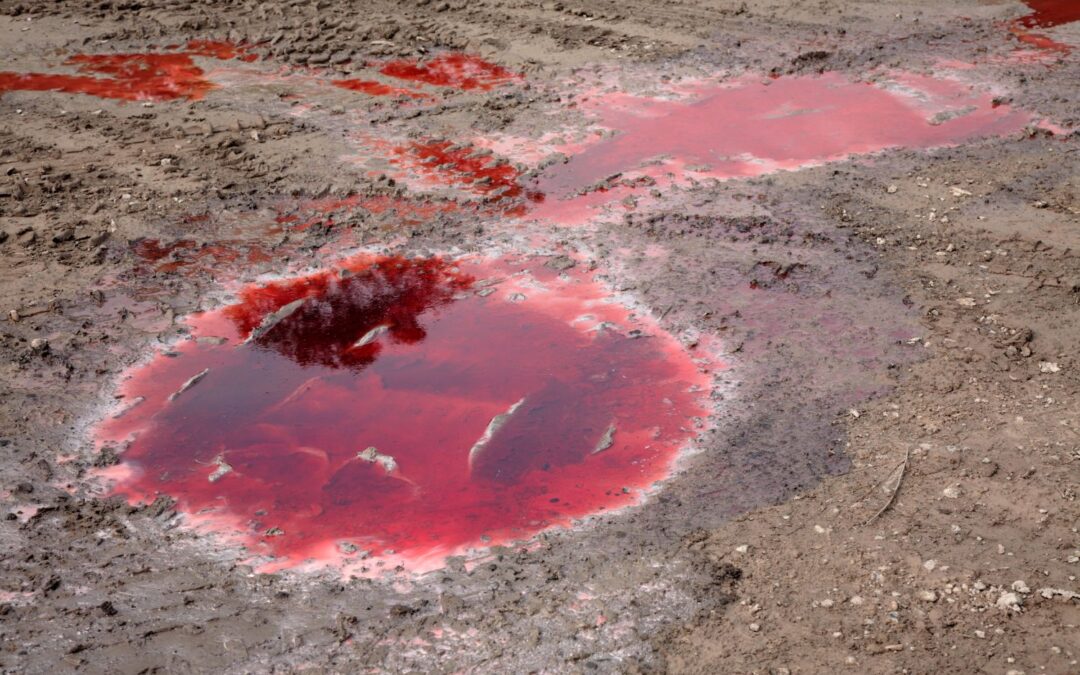
Diesel fuel spill
Steps to Take When There’s a Small Spill
1. Stop the Spill at the Source First
The most effective spill response begins with stopping the cause of the spill. Shut down leaking equipment, close valves, or return containers to an upright position if it can be done safely. If it’s a cracked fuel tank, see if you can plug it or contain what’s leaking out of it. This step prevents more hazardous fluids from entering the environment and reduces the overall size of the spill.
Safety always comes first. If the source cannot be stopped without risk, clear the area and call for professional help. Pro-Enviro is available for fast, small spill cleanup 24 hours a day. If it's an emergency, like fuel spilled near open flame, call 911 and get to safety.
2. Contain the Spill Immediately
Once the spill has stopped, or if you are unable to stop it completely, spill containment is the next step. Absorbent pads, socks, sand, kitty litter, or commercially available absorbents can be used, depending on the material involved. For commercial fleets, having an emergency spill kit in the truck can make a huge difference.
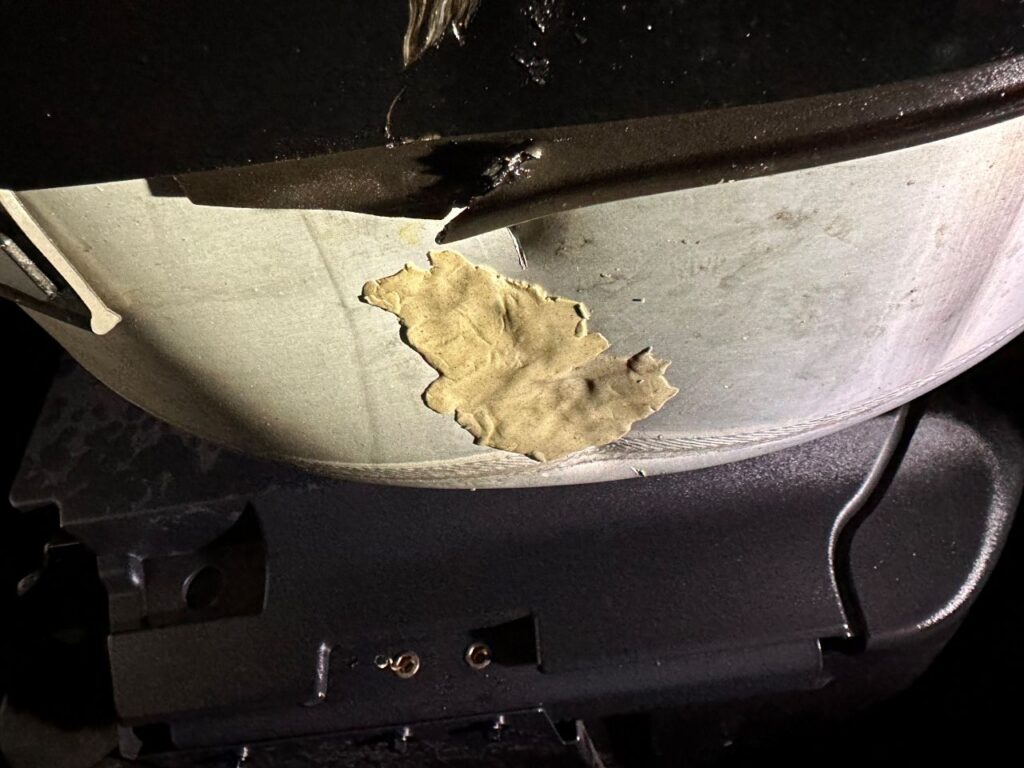
In this photo, you'll see an emergency fuel tank patch Team Pro-Enviro used in a recent spill response incident.
Pay close attention to nearby drains, ditches, and slopes. Blocking storm drains and redirecting runoff can prevent a small spill from becoming a major water contamination issue. If it gets into the water system, the cost and consequences become more severe.
3. Report the Spill
Certain spills must be reported, especially if they reach water, threaten storm drains, or pose a risk to public health or the environment. You can contact the Washington Emergency Management Division (1-800-258-5990) about your spill. They’ll tell you the next steps.
If you’re unsure if you need to report the spill, just call and ask. It is worth the time and effort when not reporting a spill or contracting a certified spill cleanup contractor can lead to penalties and charges.
4. Document What Happened
Documentation is often overlooked in the moment but becomes essential later. Take clear photos of the spill area before and during cleanup. Record the time, location, material spilled, and an estimate of the quantity released. Note whether soil, pavement, or water was affected.
Accurate documentation supports internal reporting, insurance claims, and can help you with compliance and a smoother process later. It also helps professional responders like Pro-Enviro assess what steps are needed.
When we handle a spill cleanup, we document every detail. We write full reports, take notes on materials used, and take a lot of photos. This helps with reporting and compliance, and ensures our clients are covered.
5. Dispose of Contaminated Materials Properly
Absorbents, soils, and debris used during cleanup often qualify as hazardous or special waste in Washington. These materials must be taken to a proper facility and can’t be thrown in the trash. If you’re not sure, call the Washington Department of Ecology. Here is some helpful information from them about small spill cleanup in Washington State.
Team Pro-Enviro can help with this. We always take contaminated materials, including soil and debris, to a authorized disposal facility. Disposal of materials is a vital part of spill cleanup and is required for compliance.
Unsure? Call Pro-Enviro
Some spills go beyond what on-site kits, tools, or training can manage safely. That includes situations involving unknown substances, large volumes, soil contamination, or water impact. If you’re not sure, call us. We are happy to answer your questions and, if needed, come to your rescue.
Team Pro-Enviro will bring specialized equipment, regulatory knowledge, and trained expertise for safe, thorough and compliant spill cleanup. Even for small spills. We want to help you, and we are passionate about safety and environmental protection.
At Pro-Enviro, our role extends beyond cleanup. We help clients understand compliance obligations, coordinate waste disposal, and document the response properly. This protects both the environment and the organization responsible for the site.